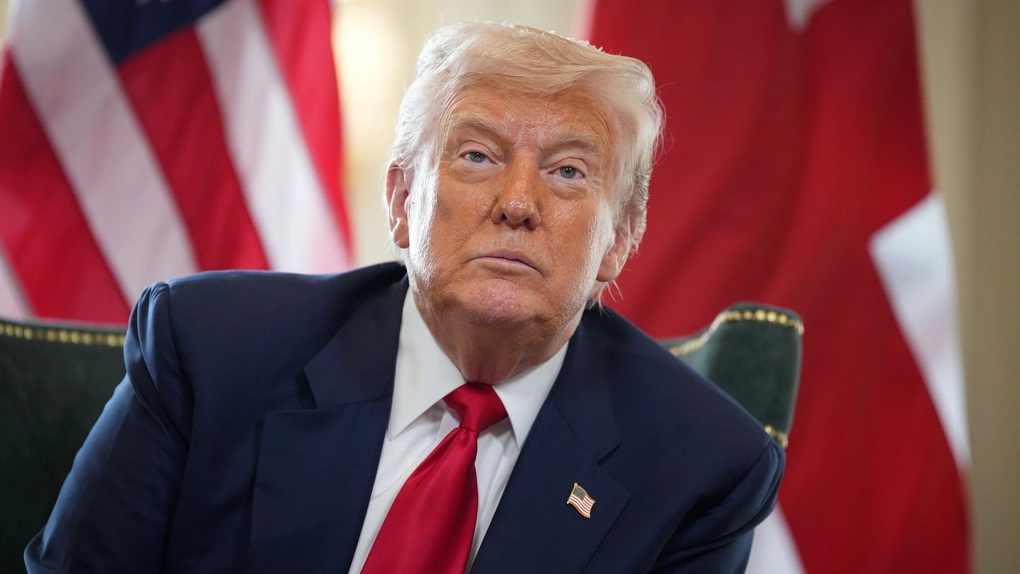
President Donald Trump has called for a sweeping National Voter ID Law, mandating identification for voting in all U.S. elections. Speaking at a recent rally, Trump argued that the measure would safeguard electoral integrity, addressing what he describes as widespread voter fraud concerns. The proposal, aimed at standardizing voter verification across states, has reignited fierce debate over election security and accessibility.
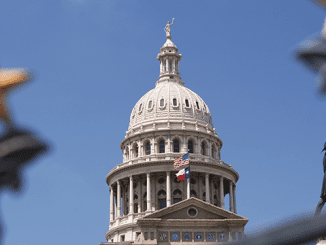
Trump emphasized that requiring government-issued ID would prevent non-citizens and ineligible voters from casting ballots, framing it as a critical step to “protect our elections.” Supporters, including Republican lawmakers, argue the law would restore public confidence in electoral outcomes, citing polls showing 80% of Americans favor voter ID requirements. They point to existing ID laws in states like Georgia and Texas as successful models.
Critics, including Democratic leaders and voting rights advocates, warn the policy could disenfranchise millions, particularly low-income, minority, and elderly voters who may lack access to valid IDs. Studies estimate 11% of Americans do not possess a driver’s license or other government-issued photo ID, potentially facing barriers under a national mandate. Opponents also argue the move addresses a largely unsubstantiated issue, as voter fraud cases remain rare.
The proposal faces significant hurdles, requiring congressional approval in a deeply divided legislature. While some states already enforce strict ID laws, others allow alternatives like utility bills or affidavits, creating a patchwork system Trump seeks to unify. As discussions intensify, the debate underscores ongoing tensions between election security and voting access.