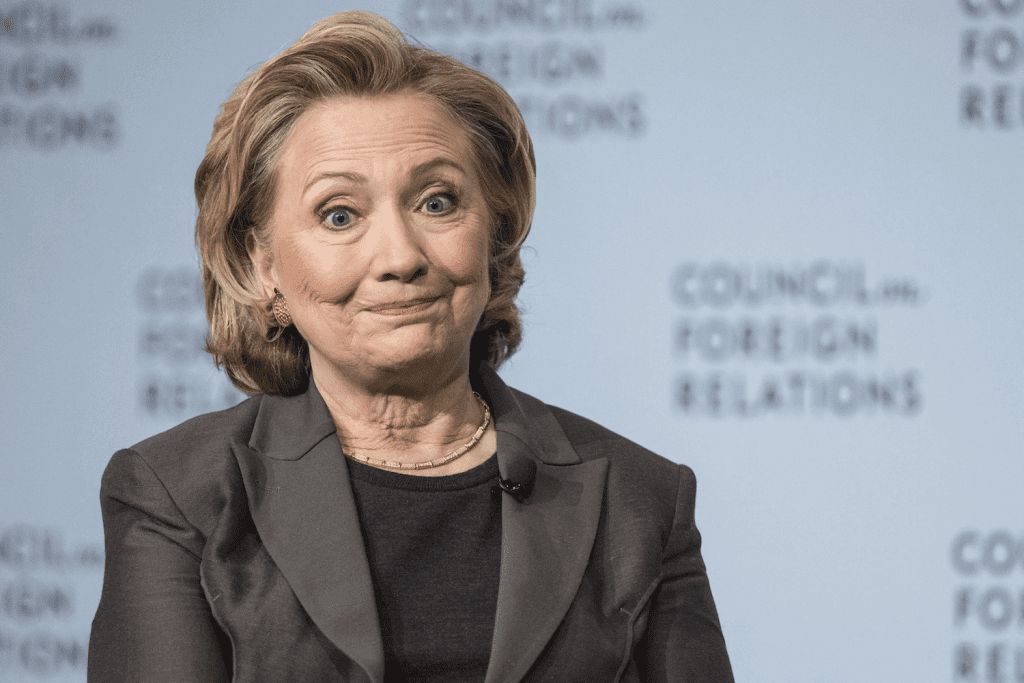
Newly declassified documents have ignited controversy, alleging that Hillary Clinton personally approved a plan to link Donald Trump to Russia during the 2016 presidential campaign. The files, part of a recent release authorized by the Trump administration, claim Clinton signed off on a strategy to portray Trump as colluding with Russian operatives, aiming to distract from her own email server scandal.
The documents, reportedly from a Durham investigation annex, suggest Clinton’s campaign, with support from Democratic Party operatives, orchestrated a disinformation effort. This included leveraging media outlets and cybersecurity firms to amplify claims of Trump-Russia ties. The plan, allegedly crafted by foreign policy adviser Julianne Smith, sought to discredit Trump by fabricating connections to the “Russian Mafia” and hackers. Critics argue this fueled the divisive Russia collusion narrative that shadowed Trump’s presidency.
Clinton’s team has dismissed the allegations as baseless, with spokespersons calling them politically motivated fabrications. However, the declassified files have reignited debates over the 2016 election’s integrity and the role of intelligence agencies. Former FBI officials, including James Comey, are accused of failing to investigate Clinton’s actions while aggressively pursuing Trump-Russia probes, raising questions about bias within federal agencies.
Supporters of the disclosures, including Attorney General Pam Bondi, emphasize the need for transparency to restore public trust. Detractors warn the selective release of documents risks distorting historical context. As the nation grapples with these revelations, the files underscore persistent tensions over political accountability and the influence of intelligence operations on elections.
The controversy is likely to intensify as congressional inquiries loom, with calls for further declassifications to uncover the full scope of 2016’s political maneuvers.