The question of why Republicans often hesitate to pursue legal action against Democrats, even with apparent evidence, has sparked heated debate. Political observers point to several factors driving this reluctance in a polarized Washington. Since President Trump’s January 2025 inauguration, high-profile Democrats like Hunter Biden and Rep. Henry Cuellar have faced DOJ scrutiny, yet broader prosecutions remain stalled.
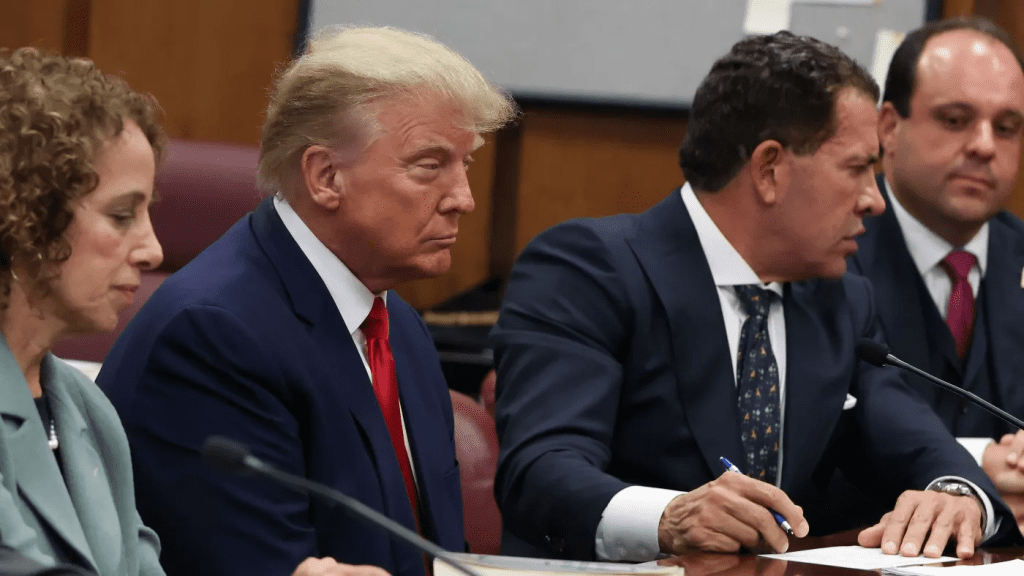
One key factor is fear of retaliation. With power shifting between parties, Republicans worry that aggressive prosecutions could trigger a Democratic backlash when they regain control, as seen in Trump’s 2024 conviction on 34 felony counts. This “mutual assured destruction” dynamic, as noted by legal scholar John Yoo, discourages action to avoid escalating partisan warfare. Historical data supports this: from 2000 to 2023, the DOJ prosecuted nine Republicans and eight Democrats among federal lawmakers, showing no clear partisan bias.
Another factor is internal GOP divisions. Moderate Republicans, like Senators Susan Collins and Lisa Murkowski, often resist hardline tactics, fearing voter backlash in swing states. The 2023 House Judiciary Committee’s failure to advance probes into President Biden, despite Rep. Jim Jordan’s push, underscores this caution, with no direct evidence tying Biden to wrongdoing.
Some argue Republicans prioritize legislative wins over legal battles, focusing on policies like the Big Beautiful Bill. Others suggest a lingering “collegiality” mindset, where lawmakers avoid burning bridges. Critics, however, see this as weakness, pointing to Democrats’ relentless pursuit of Trump. As the 2026 midterms loom, the GOP faces pressure to act decisively or risk alienating its base, raising the question: is caution strategic or a missed opportunity for justice?