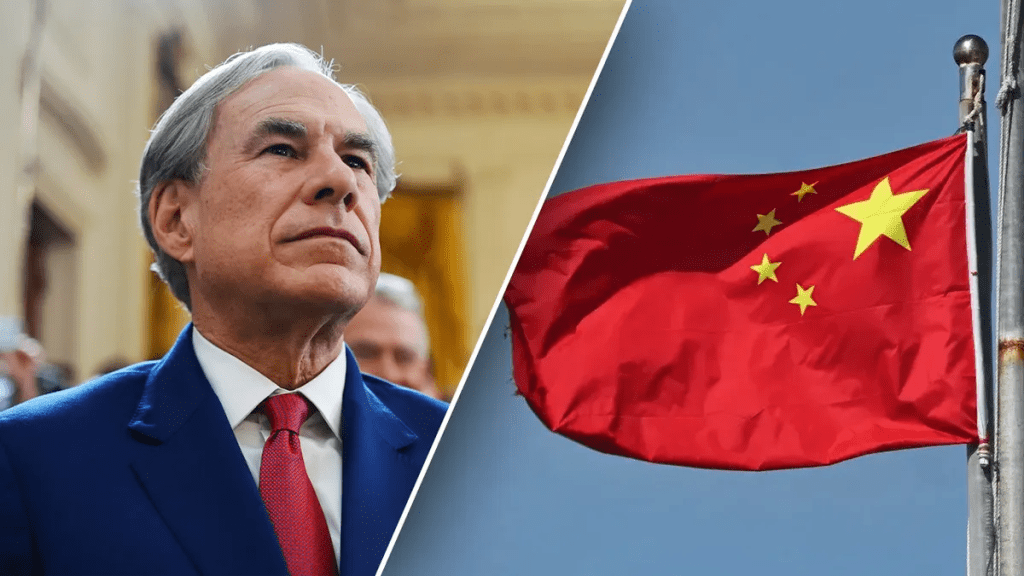
Texas has taken a bold step, enacting Senate Bill 17 to ban individuals, companies, and governments from China, Iran, Russia, and North Korea from purchasing land in the state, effective September 1, 2025. Championed by Governor Greg Abbott and lawmakers like Sen. Lois Kolkhorst, the law targets national security threats, citing concerns over foreign adversaries owning land near military bases or critical infrastructure. Texas, holding 5.7 million acres of foreign-owned farmland, aims to safeguard its sovereignty, with supporters arguing it sets a model for the nation.
The rationale is clear: these nations, flagged in the 2025 Annual Threat Assessment, pose risks to U.S. security. Chinese investors own roughly 383,000 acres of U.S. farmland—less than 1% of foreign-held land—but high-profile cases, like a Chinese firm’s attempt to buy land near a Texas airbase, fuel fears of espionage. Proponents urge other states to adopt similar bans, emphasizing that foreign control of American soil could compromise food, energy, and military security.
Critics, however, warn of unintended consequences. Advocacy groups like Asian Texans for Justice argue the law risks racial profiling and revives discriminatory policies reminiscent of 19th-century Alien Land Laws. Exemptions for U.S. citizens and permanent residents aim to address these concerns, but opponents fear broader anti-Asian sentiment. At least 25 states have passed or considered similar restrictions, though some, like Arizona, rejected them over enforcement concerns.
Should every state follow Texas? Supporters say it’s a necessary defense; detractors call it a step toward xenophobia. As the debate intensifies, the balance between security and fairness remains precarious, with Texas’ experiment likely shaping the national conversation.