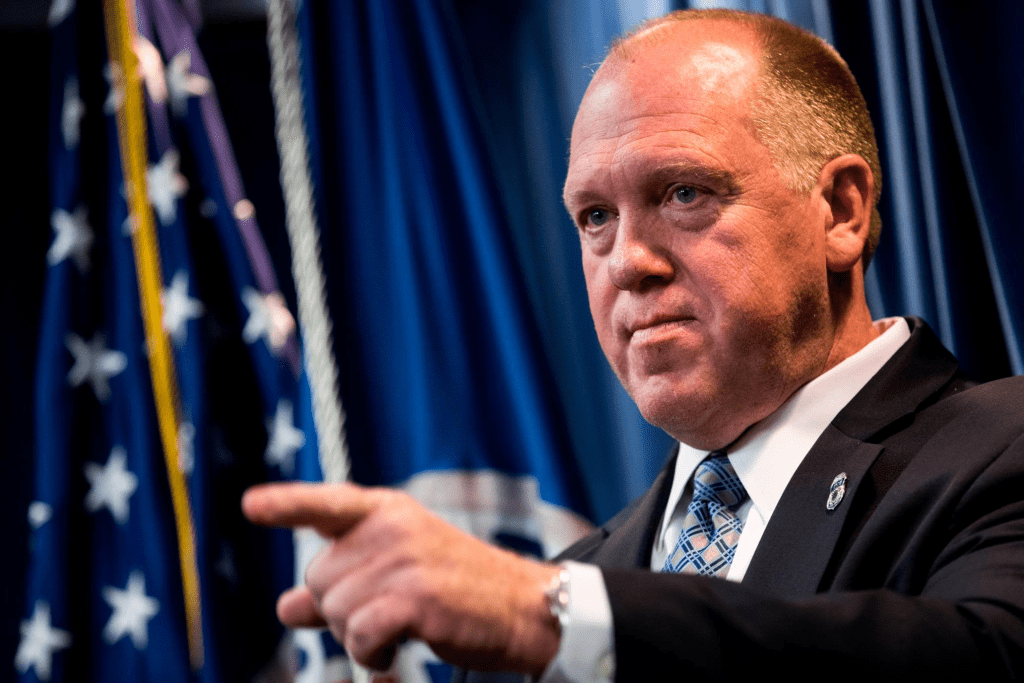
President Donald Trump’s appointment of Tom Homan as “border czar” has sparked fervent support among those backing aggressive immigration enforcement, with many claiming they “voted” for his hardline approach to forcibly remove undocumented immigrants. Homan, tasked with overseeing mass deportations, has energized a base that sees his policies as a mandate to restore border security and prioritize American citizens.
On July 16, 2025, Homan’s vision—backed by Trump’s campaign promises—resonates with millions who supported the president’s re-election, particularly in red states. They view his plans, including raids and expanded detention, as a necessary response to an estimated 11 million undocumented immigrants. Supporters argue that Homan’s experience as acting ICE director and his unapologetic stance, including targeting “public safety threats” and ending sanctuary city policies, reflect their vote for stricter enforcement. The sentiment is especially strong among those frustrated by perceived leniency under prior administrations.
However, the push for mass deportations faces fierce opposition. Critics, including immigrant advocates and Democratic leaders, argue that Homan’s approach risks racial profiling, family separations, and economic disruption, with costs potentially reaching $88 billion annually. They question the feasibility of deporting millions and highlight the humanitarian toll, particularly on U.S. citizen children of undocumented parents. Legal challenges loom, with some citing constitutional concerns over “collateral arrests” in communities.
The debate underscores a divided nation, with Homan’s supporters celebrating his “no amnesty” stance as a fulfillment of electoral will, while opponents decry it as draconian. As Homan coordinates with agencies like ICE and CBP, the question of who “voted” for his policies reflects broader tensions over immigration, identity, and America’s future, with both sides digging in for a contentious fight.