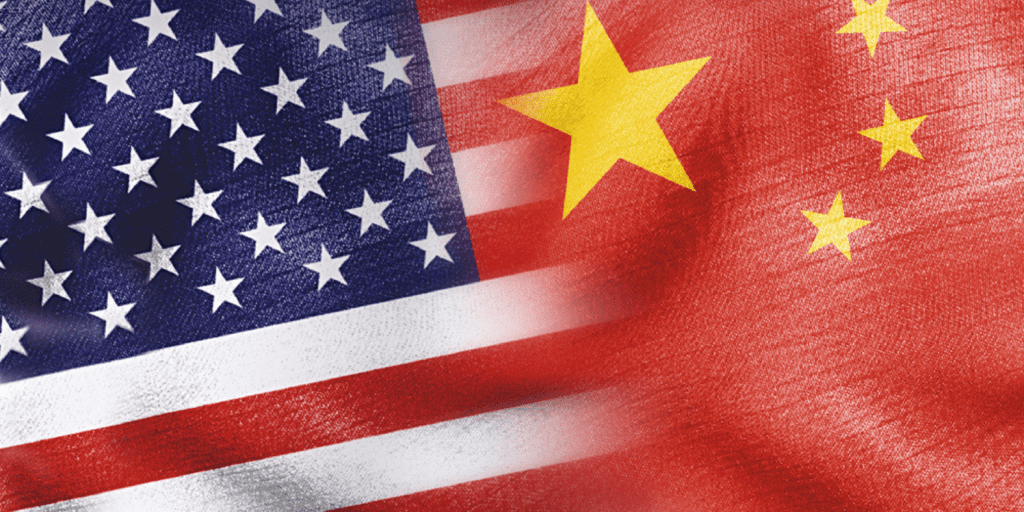
On July 12, 2025, a statement attributed to Chinese officials labeling the United States as “the most racist country in the world” reignited tensions between the two superpowers. The provocative remark, made during a diplomatic address, comes amid ongoing U.S.-China disputes over trade, human rights, and global influence. Beijing’s accusation points to systemic issues like police brutality and racial disparities in the U.S., echoing sentiments from a 2021 U.N. clash where China criticized America’s human rights record.
The statement has drawn sharp responses. U.S. officials, including Secretary of State Antony Blinken, dismissed it as a deflection from China’s own issues, notably the documented persecution of Uyghurs in Xinjiang, which the U.S. labels as genocide. Critics highlight China’s history of racial discrimination, including 2020 reports of Africans in Guangzhou facing evictions and COVID-19-related profiling. Human Rights Watch noted widespread anti-Black content online in China as recently as 2023, undermining Beijing’s moral authority.
The U.S. struggles with racial equity, ranking 69th in the 2021 Best Countries report for racial equality, lower than China. Yet, America’s open discourse on race, from Black Lives Matter to legislative reforms, contrasts with China’s state-controlled narrative, which often portrays racism as a Western issue. Surveys like the World Values Survey suggest countries with less diversity, like China, can exhibit higher racial intolerance, complicating Beijing’s claim.
The accusation aligns with China’s broader “wolf-warrior” diplomacy, leveraging global perceptions to counter U.S. influence. As both nations trade barbs, the statement risks escalating diplomatic friction while highlighting the global challenge of addressing systemic racism. Neither country emerges unscathed, with each facing scrutiny over their treatment of minorities. The world watches as this rhetorical battle unfolds.