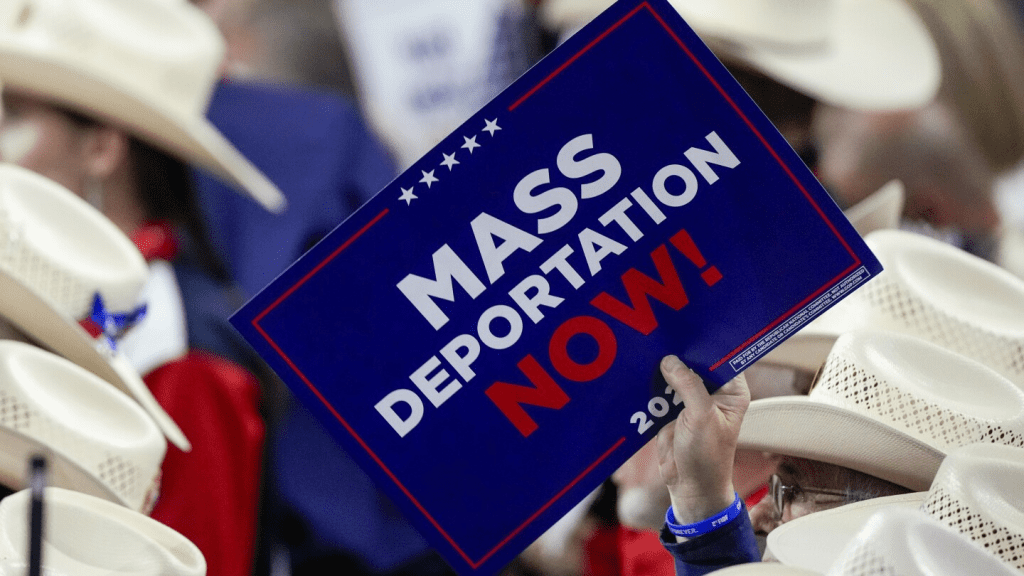
The rallying cry, “We voted for ICE to show up at businesses, parks, houses, courts, parking lots, car washes, taco stands, etc… WE VOTED FOR MASS DEPORTATIONS,” encapsulates the fervent support for President Donald Trump’s immigration enforcement agenda in July 2025. Reflecting the conservative base’s passion, this sentiment underscores a mandate for aggressive action by U.S. Immigration and Customs Enforcement (ICE). As a journalist, I aim to explore the scope of this policy, its impact on communities, and the challenges it faces in a polarized nation.
Trump’s 2024 election victory, bolstered by promises of border security, has translated into a dramatic escalation of ICE operations. Under Border Czar Tom Homan, ICE has quadrupled arrests in states like Colorado, detaining over 6,000 immigrants in 2025’s first half. The administration’s $31 billion budget increase and military deployment securing a third of the southern border signal a commitment to deporting millions, particularly targeting the estimated 425,000 undocumented immigrants with criminal records. Supporters see this as a fulfillment of the electorate’s will, aiming to restore law and order by sweeping through public and private spaces nationwide.
The scope of these operations is unprecedented. ICE raids have targeted workplaces, courthouses, and community hubs, from Texas car washes to Alabama taco stands. The policy aligns with broader “America First” initiatives, like the Allegiance Act banning foreign flags at the Capitol and the National Farm Security Action Plan protecting U.S. farmland. Advocates argue that mass deportations deter illegal immigration, protect jobs, and reinforce cultural unity, echoing sentiments like demanding English-only interactions. They point to incidents like the Texas ambush on ICE agents as justification for cracking down on perceived threats.
Critics, however, warn of a humanitarian and economic toll. With 47 percent of ICE detainees lacking criminal records, raids risk uprooting families and disrupting communities. In agricultural states like Alabama, where foreign entities own 2.2 million acres of farmland, deportations could exacerbate labor shortages, spiking food prices. Protests in sanctuary cities like Los Angeles highlight resistance, with fears of escalating violence, as seen in recent attacks on ICE agents. Critics argue that the mandate for mass deportations overlooks the contributions of 47 million immigrants and fuels division, especially as North Carolina recovers from Hurricane Helene’s floods.
Logistically, the policy faces hurdles. ICE’s 51,000 detention capacity falls short of the infrastructure needed for Homan’s goal of 7,000 daily arrests, requiring massive federal and state coordination. As cultural battles rage—over issues like congressional term limits or Supreme Court controversies—the push for deportations reflects a broader fight over America’s identity. In July 2025, the mandate for ICE’s sweeping presence signals a transformative moment, but whether it unites or fractures the nation remains a critical question.