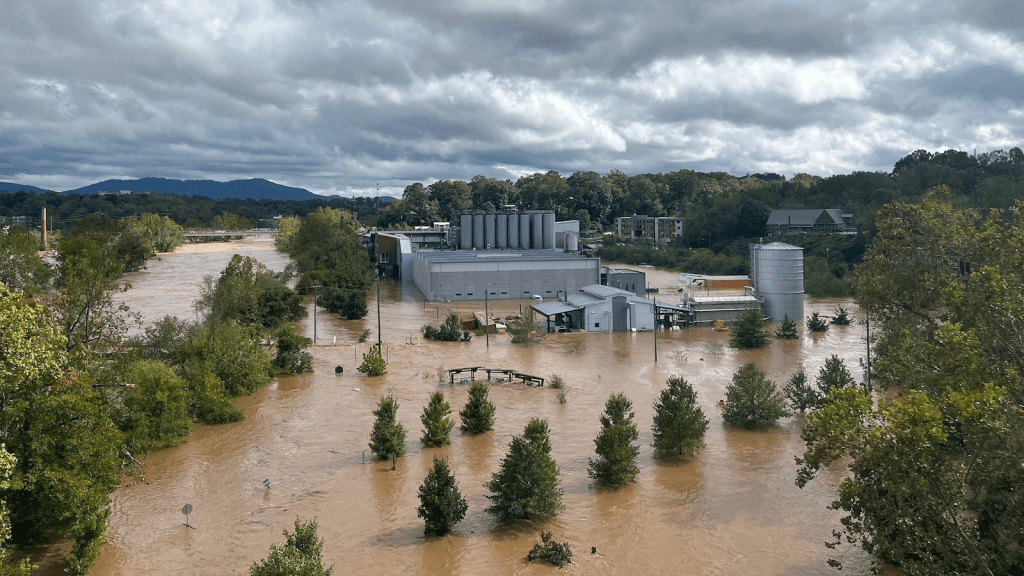
Nearly ten months after Hurricane Helene struck in September 2024, parts of western North Carolina remain submerged, with communities still reeling from one of the deadliest storms in U.S. history. The plea, “These people can’t take more. Send your prayers,” echoes the exhaustion of residents facing relentless flooding and slow recovery. As a journalist, I aim to highlight the ongoing crisis, the resilience of North Carolinians, and the urgent need for sustained support in July 2025.
Helene’s impact was catastrophic, claiming 232 lives nationwide, with 108 in North Carolina alone, surpassing Hurricane Katrina’s toll. The storm unleashed up to 30 inches of rain, triggering over 2,000 landslides and flooding communities like Asheville, where the French Broad River reached a record 24.67 feet. Buncombe County reported 43 deaths, and an estimated 12,000 residents remain displaced, with 126,000 homes damaged or destroyed. In areas like Swannanoa and Black Mountain, flooded roads and compromised water systems persist, leaving families without basic necessities.
The prolonged flooding stems from shattered infrastructure. Over 6,000 miles of roads and 1,000 bridges were damaged, isolating rural communities. The state’s water systems, with 160 facilities impacted, struggle to provide clean water, forcing reliance on airlifted supplies in places like Boone. The economic cost is staggering, with North Carolina’s budget office estimating $53 billion in damages, dwarfing Hurricane Florence’s $17 billion impact. Local businesses, particularly in Asheville’s River Arts District, remain closed, and farmers face crippling losses from ruined crops.
Recovery efforts are ongoing but strained. FEMA has provided 7 million meals and 6.5 million liters of water, with 1,270 rescuers deployed. The National Guard’s efforts, including 119 rescues, have been critical, yet communication blackouts and road closures hinder progress. President Trump’s January 2025 visit pushed state-led relief, but FEMA’s refusal to extend 180-day funding has sparked criticism. Grassroots initiatives, like Operation Airdrop’s helicopter deliveries, highlight community strength, but families like those in Fairview, who lost homes to mudslides, face uncertain futures.
The human toll is profound. Stories of loss, like the Ramsuer family’s deaths in Swannanoa’s flooded trailer park, underscore the tragedy. Climate change, as noted by Pope Leo in 2025, intensifies such disasters, with experts warning that extreme floods could become more frequent. North Carolina’s resilience shines through volunteer efforts and local solidarity, but the scale of destruction demands more than prayers—it requires robust federal and state action.
As North Carolina battles Helene’s aftermath, the nation must rally behind its recovery. The flooded regions, still underwater in July 2025, reflect a crisis far from over. Support, resources, and attention are critical to rebuild lives and communities, ensuring that these weary residents can endure and overcome.