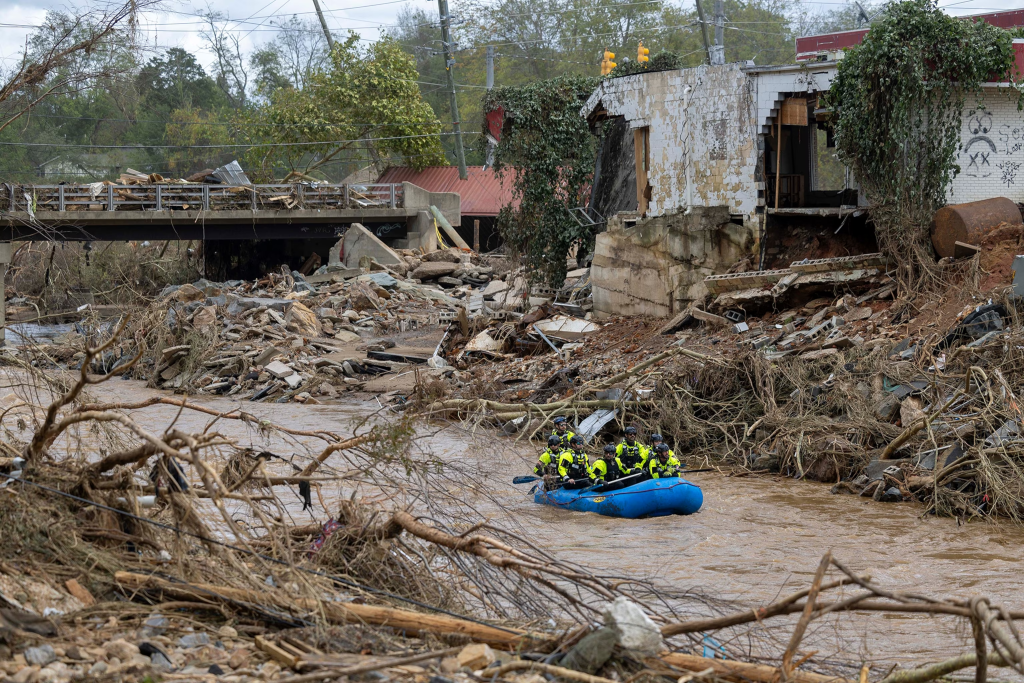
In late September 2024, Hurricane Helene tore through the Southeastern United States, leaving a trail of destruction that continues to haunt western North Carolina in July 2025. Despite the passage of time, parts of the region remain underwater, with communities grappling with the aftermath of catastrophic flooding. The sentiment, “These people can’t take more. Send your prayers,” captures the desperation of residents facing prolonged recovery challenges. As a journalist, I aim to highlight the ongoing crisis, the resilience of affected communities, and the urgent need for continued support.
Helene, the deadliest hurricane to hit the U.S. mainland since Katrina, claimed 108 lives in North Carolina alone, with 94 attributed to rainfall flooding. The storm dumped up to 30 inches of rain in three days, shattering records and triggering over 2,000 landslides. In Buncombe County, the French Broad River crested at 24.67 feet, surpassing the 1916 flood’s record by over 1.5 feet. Asheville, a vibrant mountain city, saw entire neighborhoods submerged, with 43 deaths reported in the county. As of April 2025, five people remain unaccounted for, and an estimated 12,000 residents are still displaced, with 126,000 homes damaged or destroyed.
The prolonged flooding stems from devastated infrastructure. Over 6,000 miles of roads and 1,000 bridges were damaged, isolating communities like Swannanoa and Black Mountain. The state’s water and sewer systems, with 160 impacted, struggle to function, leaving many without clean water. In Boone, residents still face intermittent shortages, relying on airlifted supplies. The economic toll is staggering, with North Carolina’s budget office estimating $53 billion in damages and recovery needs, surpassing Hurricane Florence’s $17 billion record. Businesses, like Asheville’s River Arts District, remain shuttered, and farmers report crippling losses.
Recovery efforts are underway but face hurdles. FEMA has delivered over 7 million meals and 6.5 million liters of water, with 1,270 rescuers deployed. The National Guard rescued over 119 people, including an infant, but road closures and communication blackouts—described as “1990s technology” by Canton’s mayor—hamper progress. In January 2025, President Trump visited, pushing for state-led relief, but FEMA’s denial of a 180-day funding extension has drawn criticism. Grassroots efforts, like Operation Airdrop’s helicopter deliveries, highlight community resilience, yet residents like the Pacheos, whose Fairview home was washed away, face uncertain futures.
The human cost is heart-wrenching. Families mourn loved ones, like the Ramsuers, killed in Swannanoa’s flooded trailer park, while others, like Sarah Bivins, lost livelihoods when their farms were buried in mud. Climate change, intensifying storms, exacerbates the crisis, with experts warning that “1-in-100-year” floods could occur every 11 to 25 years. As North Carolina rebuilds, prayers and support remain vital. The road to recovery is long, but the spirit of its people endures, calling for solidarity to restore their shattered communities.