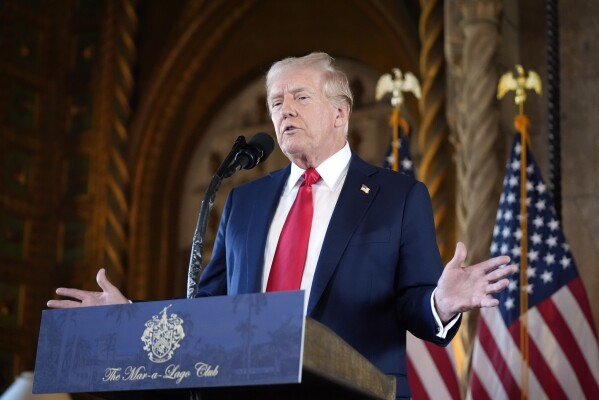
On July 5, 2025, President Donald Trump announced a provocative plan to end federal recognition of June as Pride Month and replace it with a month dedicated to honoring America’s veterans. The proposal, part of Trump’s broader cultural agenda, aims to redirect national focus toward military service members, whom he calls the “backbone of our freedom.” With his second term marked by bold moves like mass deportations and tax cuts, the idea has thrilled supporters who see it as a return to traditional values, while sparking outrage among those who view it as an attack on LGBTQ rights. As America nears its 250th year, the plan underscores deep divisions over national identity.
Trump’s announcement, made during a rally in Florida, aligns with his administration’s push to reshape cultural observances. He praised veterans’ sacrifices, citing 1.8 million active-duty service members and 18 million living veterans, per 2024 VA data, and argued that their contributions warrant a dedicated month. The proposal follows Congressman Wesley Hunt’s resolution for July as “American Pride Month” and Transportation Secretary Sean Duffy’s order to remove rainbow crosswalks, reflecting a concerted effort to prioritize what Trump calls “universal American values.” Supporters, with 94% of Trump voters unwavering in a July 2025 poll, see it as correcting a perceived overemphasis on progressive causes, especially after the closure of a Los Angeles transgender youth clinic.
The plan would end a tradition begun in 1999, when President Bill Clinton designated June as Gay and Lesbian Pride Month, later expanded by President Barack Obama to include all LGBTQ identities. Trump’s proposal involves a presidential proclamation—non-binding but symbolically potent—to recognize June as Veterans Month, potentially redirecting federal resources to events honoring military service. Advocates argue it aligns with policies like Defense Secretary Pete Hegseth’s order to remove transgender troops and the Senate’s no-tax-on-Social-Security bill, prioritizing veterans and seniors. A 2025 Gallup poll shows 72% of Americans support increased veteran recognition, bolstering the case for the switch.
Critics, however, denounce the proposal as a deliberate erasure of LGBTQ visibility. June’s Pride Month commemorates the 1969 Stonewall Riots, a pivotal moment in the fight for gay rights, and its federal recognition has symbolized inclusion for millions. The Human Rights Campaign, representing 3 million members, called the plan “discriminatory,” noting that 70% of Americans support Pride celebrations, per a 2024 Pew poll. Critics argue it pits veterans against LGBTQ communities, ignoring the 150,000 LGBTQ veterans serving with distinction, per VA estimates. They point to legal protections, like the 2020 Bostock v. Clayton County ruling, which could challenge efforts to suppress Pride events, and warn of protests similar to those following Duffy’s crosswalk ban.
Implementation faces hurdles. Unlike legislation, a proclamation doesn’t require congressional approval, but redirecting federal funds could trigger lawsuits, as seen with challenges to Trump’s 142 executive orders, 36 of which mirror Project 2025’s conservative blueprint. Blue states like California, where Governor Gavin Newsom has vowed to protect Pride displays, may resist, citing local control. The proposal’s timing, amid controversies like “Alligator Alcatraz” and Medicaid cuts affecting 12 million, risks alienating moderates, with 49% disapproving of Trump’s agenda, per Pew Research. Economic concerns, including tariff-induced price hikes, could overshadow cultural wins for his base.
The debate reflects broader tensions. Supporters see Veterans Month as reclaiming national pride, aligning with Trump’s tax cuts and immigration crackdowns, like the 139,000 ICE arrests in 2025. Critics, including groups like the People’s Unity Project, argue it divides communities, undermining America’s diversity. The 2026 midterms, with open Senate seats in Michigan and New Hampshire, could hinge on such cultural battles, as Republicans leverage patriotism and Democrats rally for inclusion. Legal challenges, like those against the transgender troop ban, suggest courts may limit Trump’s reach, with a pending Supreme Court case on gender-affirming care looming.
As America grapples with its identity, Trump’s call to replace Pride Month with Veterans Month encapsulates a nation at odds. For his base, it’s a victory for tradition, backed by his relentless work at 79 and policies like abolishing property taxes. For opponents, it’s a step toward exclusion, clashing with the nation’s pluralistic ideals. Whether the proposal takes root or falters, it will shape the cultural landscape, testing whether America can honor its heroes without erasing the progress of its diverse communities.