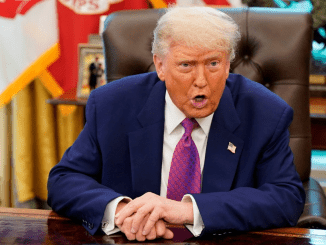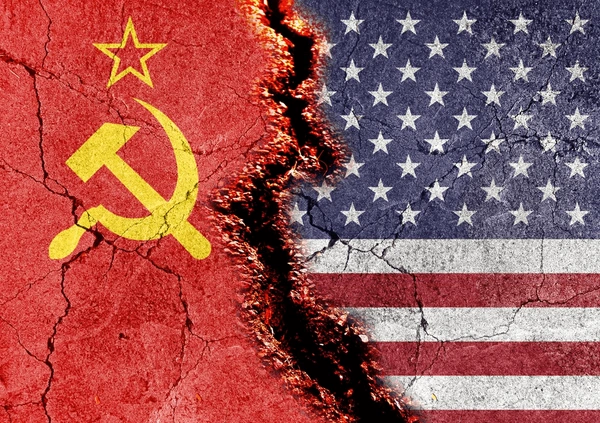
In a fiery speech delivered on July 1, 2025, in Miami, Florida, President Donald Trump redefined the nation’s political fault lines, declaring that the struggle is no longer between Republicans and Democrats but between “America and communism.” The provocative rhetoric, met with roaring approval from supporters, reflects a growing sentiment among some conservatives that the United States faces an existential battle against leftist ideologies threatening its core values. As the nation grapples with this stark new framing, the implications for policy, culture, and national unity are profound, raising questions about whether this narrative will galvanize or further fracture an already polarized country.Trump’s statement comes amid a second term marked by aggressive policy moves, including mass deportation initiatives, deregulation, and efforts to curb progressive cultural programs. Speaking to a crowd of thousands, he pointed to policies like city-run grocery stores proposed by some Democratic leaders, expanded social welfare programs, and restrictions on free speech as evidence of a creeping “communist” agenda. “This isn’t about left or right anymore,” Trump said. “It’s about saving America from those who want to tear it down and turn it into something unrecognizable.” The rhetoric echoes a broader conservative push to equate progressive policies with socialism or communism, terms increasingly weaponized in political discourse.The “America vs. communism” framing taps into a historical fear of collectivism, invoking Cold War-era anxieties about Soviet influence. Supporters argue it resonates because of policies they view as overreaching, such as federal diversity initiatives, gun control measures, or climate regulations perceived as stifling economic freedom. A June 2025 Rasmussen Reports poll found that 58% of likely voters believe “socialist or communist ideologies” pose a significant threat to American values, with 45% citing specific Democratic proposals as evidence. This sentiment has fueled support for Trump’s policies, including the expansion of detention facilities like Florida’s “Alligator Alcatraz” and bans on gender identity education in schools, seen as countering leftist influence.Critics, however, argue that this narrative oversimplifies complex issues and demonizes political opponents. Democratic leaders, including House Minority Leader Hakeem Jeffries, have called the rhetoric “dangerous hyperbole” that risks vilifying millions of Americans with differing views. They point out that policies like universal healthcare or student debt relief, often labeled as communist, are mainstream in many capitalist democracies. Historians note that the term “communism” is being loosely applied, with little resemblance to Marxist-Leninist systems, and serves more as a catch-all for progressive ideas. The Human Rights Campaign has also raised concerns that such language fuels hostility toward marginalized groups, citing a 20% rise in hate crimes from 2023 to 2024.The administration’s actions suggest this framing is more than rhetorical. Recent executive orders have targeted federal programs deemed “ideologically driven,” such as diversity training, while the Department of Justice has launched investigations into alleged fraud in progressive-led initiatives, like California’s homelessness programs. These moves align with Trump’s broader agenda to “restore American values,” a theme that resonates with his base but alienates moderates. The appointment of staunch conservatives like Florida Attorney General James Uthmeier to key roles signals a commitment to rooting out what the administration sees as leftist overreach.Yet, the “America vs. communism” narrative risks deepening division at a time when national unity is fragile. Political analysts warn that casting policy disagreements as an existential battle could erode trust in institutions and escalate partisan tensions ahead of the 2026 midterms. The economic cost of this approach is also significant, with initiatives like mass deportations projected to cost $315 billion annually, potentially straining resources needed for infrastructure or healthcare. Critics argue that focusing on ideological battles distracts from pressing issues like inflation, which remains a top concern for 70% of Americans, according to a Pew Research survey.As Trump’s administration presses forward, the “America vs. communism” framing is likely to shape the national conversation. For supporters, it’s a rallying cry to protect freedom and tradition. For opponents, it’s a divisive tactic that misrepresents policy debates and threatens democratic norms. With the nation at a crossroads, the outcome of this ideological struggle will depend on whether Americans see it as a call to action or a dangerous oversimplification. One thing is clear: the stakes, as Trump’s supporters assert, feel higher than ever, and the battle for America’s identity is far from over.