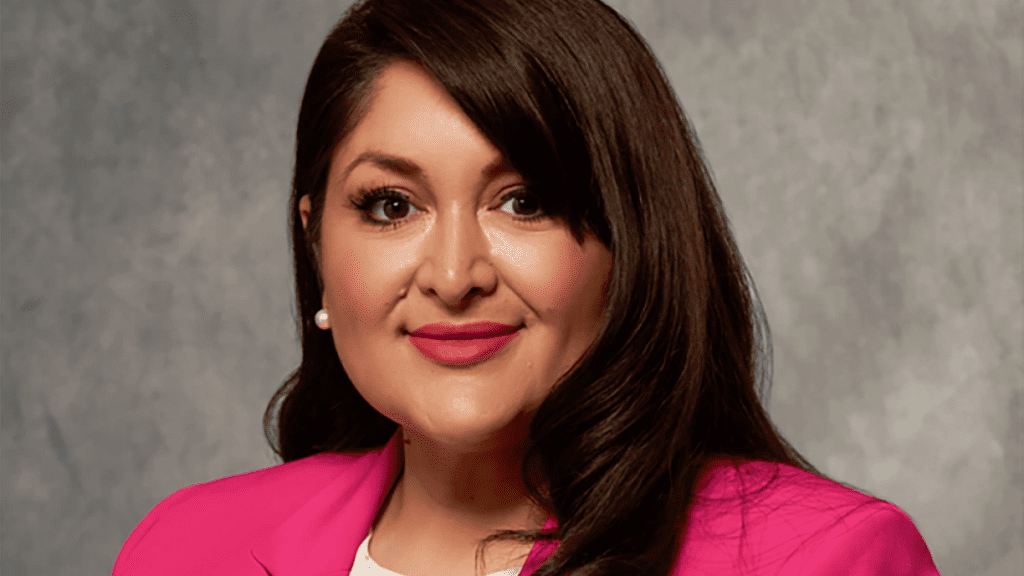
Cudahy, California, a small Los Angeles County suburb, is at the center of a national firestorm after Vice Mayor Cynthia Gonzalez allegedly posted a video urging street gangs to confront Immigration and Customs Enforcement (ICE) agents amid intensified immigration raids. The now-deleted video, which surfaced on June 24, 2025, has drawn widespread condemnation, with federal authorities investigating and local law enforcement demanding her resignation. Gonzalez’s provocative remarks, seen as inciting violence, have ignited a fierce debate over free speech, public safety, and the role of elected officials in escalating tensions.
In the video, Gonzalez, elected to Cudahy’s city council in 2022, appeared to taunt members of notorious gangs like 18th Street and Florencia 13, questioning their silence as ICE conducts sweeps in the region. “You guys tag everything up, claiming hood, and now that your hood’s being invaded by the biggest gang there is, there ain’t a peep out of you,” she said, referring to ICE as a “gang.” She urged gang leaders to “get your members in order” and “organize” to defend their turf, comments many interpret as a call to violent resistance. The Department of Homeland Security (DHS) labeled her remarks “despicable,” citing a 500% surge in assaults on ICE agents and warning that such rhetoric endangers federal officers.
The backlash was swift. The Los Angeles Police Protective League (LAPPL), representing over 8,900 officers, demanded Gonzalez’s resignation and potential prosecution, arguing her words put law enforcement at risk. The LAPPL highlighted the violent history of the gangs she addressed, noting the 1998 killing of an LAPD officer by an 18th Street member and the 2022 murder of another by Florencia operatives. “Her actions are deplorable and potentially illegal,” the union stated, emphasizing the danger of inciting groups known for drug trafficking and murder. Community members, like Cudahy resident Nancy Delgado, echoed this sentiment, calling Gonzalez’s comments “insane” amid already heightened tensions.
Gonzalez’s attorney insists her message was misconstrued, claiming she advocated for peaceful protests, not violence. “Any suggestion that she encouraged violence is categorically false,” the attorney said, framing her words as a call for the Latino community to join nonviolent resistance against ICE operations. However, the video’s tone—taunting gangs for not “showing up” while others “fight for turf”—has fueled skepticism about her intentions. The FBI, while not confirming an investigation, has reportedly visited Gonzalez’s home, and legal experts suggest her remarks may cross into incitement, a crime if they directly provoke imminent lawless action.
Cudahy, a 1.2-square-mile city with a 97% Hispanic population, is no stranger to gang activity, with police estimating over 450 active gangs in Los Angeles County. The city’s designation as a sanctuary for immigrants since 2015 has amplified local resistance to ICE, with Mayor Elizabeth Alcantar recently reaffirming this stance. Gonzalez, a UCLA-educated administrator with the Los Angeles Unified School District, has positioned herself as a champion of immigrant rights, but her latest actions have drawn ire even from allies. Her June 11 appearance alongside Los Angeles Mayor Karen Bass to oppose Trump’s immigration policies now stands in stark contrast to Bass’s calls for peaceful protest.
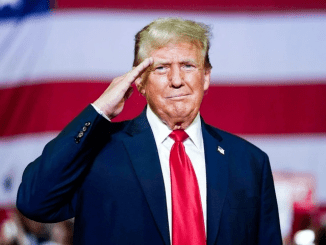
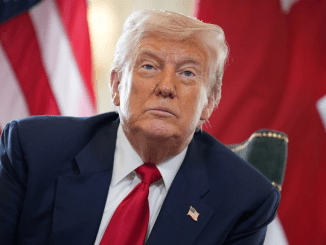
The federal response has been uncompromising. DHS Secretary Kristi Noem reiterated that assaults on federal officers will face severe prosecution, a warning underscored by Trump’s deployment of National Guard and Marines to protect ICE agents during arrests. The raids, targeting criminal aliens, have already sparked protests and violence in Los Angeles, with 52 sheriff’s deputies injured in recent anti-ICE riots. Gonzalez’s video, critics argue, pours fuel on an already volatile situation.
The City of Cudahy has distanced itself, stating Gonzalez’s views are personal and not reflective of official policy. Yet, her silence since the video’s deletion and her reported plea for legal help suggest mounting pressure. As the FBI probes whether her words constitute a criminal act, the nation watches a city of 22,000 grapple with the fallout. Gonzalez’s call, whether intentional or reckless, has thrust Cudahy into the spotlight, raising questions about leadership, accountability, and the dangerous intersection of politics and gang culture in America’s immigration debate.