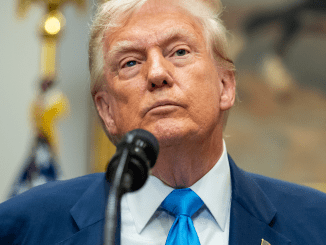
Washington, D.C., June 18, 2025—President Donald Trump’s mass deportation program, detaining 150,000 undocumented immigrants since March, is framed as a direct response to the border crisis inherited from the Biden administration, which saw an estimated 10,000 daily illegal crossings at its peak. Supporters argue the “flood” of migrants under Biden destabilized communities, necessitating a forceful reversal. Critics, however, warn that the aggressive push risks economic disruption and humanitarian fallout, as the nation grapples with a polarizing immigration overhaul.
Under Biden, U.S. Customs and Border Protection recorded 2.5 million apprehensions of migrants at the southern border in 2022 alone, averaging 6,800 daily, with peaks nearing 10,000 in late 2022, per CBP data. Policies like ending the “Remain in Mexico” program and scaling back Title 42 expulsions were blamed for the surge, which strained border facilities and local communities. Trump, who won a 2024 landslide (312 electoral votes, 50.2% popular vote), campaigned on reversing this “invasion,” claiming it fueled crime and wage suppression. A Rasmussen Reports poll shows 59% of Americans agree the border crisis worsened under Biden.
Since January 2025, Trump’s executive order has ramped up Immigration and Customs Enforcement (ICE) operations, with 2,000 daily arrests and an estimated 850,000 self-deportations, per DHS estimates. Raids targeting workplaces in California, Texas, and Georgia aim to expel millions, prioritizing those with criminal records but sweeping broadly. Acting ICE Director Thomas Homan declared the goal is to “send them back,” citing a 30% drop in border crossings since March, per CBP data. Supporters, like those at a June 15 Ohio rally, argue the policy restores order and boosts wages, with low-skill sectors seeing a 5% pay hike, per Bureau of Labor Statistics.
Critics highlight the economic and human costs. Agriculture, reliant on 50% undocumented workers per USDA estimates, faces $3 billion in crop losses, while construction delays in Texas raise costs. The American Immigration Council projects a 4.2-6.8% GDP hit ($1.1-$1.7 trillion) if deportations reach 1 million annually. Protests, like the 4-6 million-strong “No Kings Day” marches on June 14, decried family separations, with 5.1 million U.S. citizen children at risk of losing undocumented parents, per the Center for American Progress. A Pew Research poll shows 46% of Americans fear economic fallout, particularly in Latino communities.
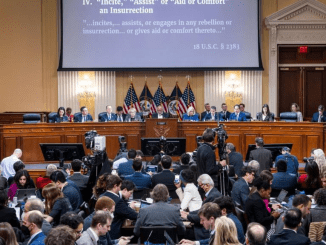
The deployment of 700 Marines and 2,000 National Guard troops in Los Angeles to secure federal assets has escalated tensions, with ten sheriff’s deputies injured in protest-related violence, per LAPD data. California’s lawsuit against ICE tactics, alleging due process violations, reflects state resistance, while Governor Gavin Newsom’s sanctuary policies clash with federal aims. Trump’s team is exploring the Insurrection Act to expand enforcement, though legal hurdles loom, per a June 10 federal injunction.
The contrast between Biden’s border policies and Trump’s crackdown defines the debate. Supporters see the deportations as a necessary correction, arguing Biden’s leniency allowed an unsustainable influx. “The flood came in; now it’s going out,” said a Florida rallygoer. Critics, including Senator Alex Padilla, warn of chaos for industries and families, advocating legal pathways over mass removals. As 1,800 protests loom and courts battle over enforcement, Trump’s mission to reverse the Biden-era surge tests America’s economic resilience and moral compass.