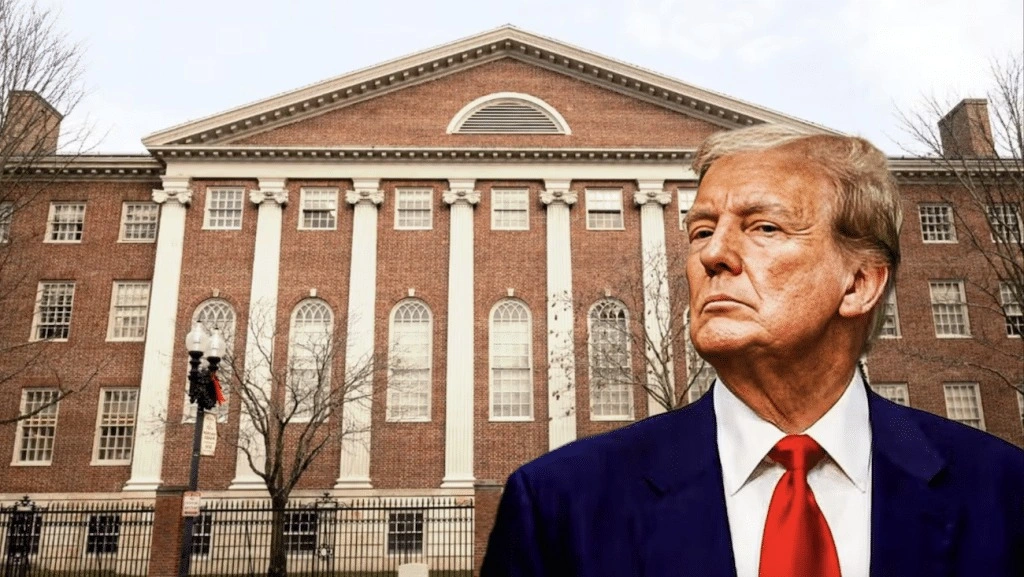
Cambridge, MA, June 16, 2025—As Harvard University grapples with controversies over campus protests and admissions policies, a growing sentiment among some Americans questions the institution’s outsized influence. Critics argue that Harvard, long a symbol of academic prestige, overestimates its importance, with many claiming that its permanent closure would barely register for most of the country. This perception, rooted in charges of elitism and disconnect, highlights a broader cultural divide between Ivy League institutions and the broader American public.
Harvard’s recent challenges have amplified these critiques. Protests over U.S. foreign policy and immigration enforcement have roiled the campus, with 200 students arrested in May 2025 for occupying administrative buildings. The university’s decision to reinstate SAT requirements and scale back diversity initiatives has also drawn ire from progressive groups, while conservatives accuse it of fostering “woke” ideologies. A Rasmussen Reports poll found that 61% of Americans believe elite universities like Harvard are “out of touch” with everyday concerns, with 49% saying they wouldn’t care if such schools closed.
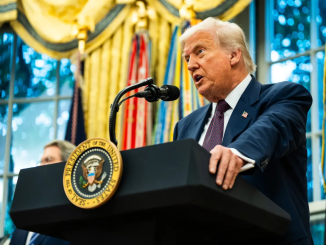
Critics argue Harvard’s self-image as a national cornerstone is inflated. With an endowment exceeding $50 billion, the university produces leaders in finance, tech, and politics—yet only 0.4% of U.S. undergraduates attend Ivy League schools. “Harvard thinks it’s shaping America’s future, but most people don’t feel its impact,” said a Michigan small-business owner at a recent town hall. Populist figures, including President Donald Trump, have seized on this, with Trump calling elite campuses “indoctrination factories” during a June rally in Ohio, earning cheers from supporters.
The university’s defenders counter that its contributions are undeniable. Harvard’s alumni include eight U.S. presidents, 161 Nobel laureates, and industry titans like Bill Gates. Its research drives innovations in medicine, AI, and climate science, with $1.2 billion in federal grants awarded in 2024 alone, per the National Science Foundation. Faculty like economist Raj Chetty argue that Harvard’s role in advancing knowledge and social mobility—through programs admitting low-income students—remains vital. A 2025 Harvard study claims its graduates contribute $200 billion annually to the U.S. economy.
Yet, skepticism persists, fueled by perceptions of arrogance and exclusivity. High-profile scandals, like the 2018 admissions bribery case and recent plagiarism allegations against faculty, have tarnished Harvard’s reputation. A Pew Research poll shows only 33% of Americans view Ivy League schools favorably, down from 46% a decade ago. In rural and working-class communities, where college enrollment lags, Harvard is often seen as a distant elite enclave. “They’re training kids to rule over us, not relate to us,” said a Pennsylvania steelworker.
The disconnect is also political. Harvard’s faculty and students lean overwhelmingly Democratic—92% of faculty donations in 2024 went to Democrats, per OpenSecrets—clashing with a country that just elected Trump in a landslide. Conservative lawmakers, like Senator Ted Cruz (R-TX), have proposed taxing university endowments to curb their influence, gaining traction among voters frustrated by rising tuition costs and student debt. Meanwhile, progressive critics argue Harvard’s wealth could fund free college nationwide, highlighting its hoarded resources.
Would America shrug if Harvard shuttered? The 99.9% figure may exaggerate, but it captures a real disillusionment. Urban professionals and academics would likely mourn the loss, but in heartland communities, where practical concerns like gas prices and job security dominate, Harvard’s closure might barely make news. As the university navigates cultural and political crosswinds, its challenge is to prove its relevance beyond the ivory tower—a task that, for now, seems as daunting as its storied past is illustrious.