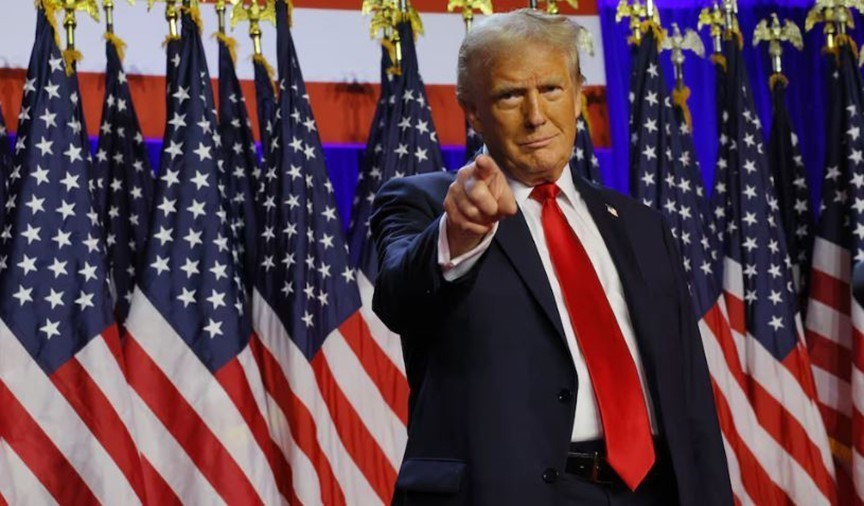
President Donald Trump’s stunning response—“I don’t know”—when asked if he should follow the U.S. Constitution has sent shockwaves through Washington, prompting fierce calls for his impeachment. The remark, made during a contentious interview on June 11, 2025, comes amid escalating tensions over his immigration crackdown and military deployments to quell riots. Critics argue that Trump’s apparent ambivalence toward the nation’s foundational document is grounds for removal, while supporters dismiss it as a deliberate jab at his detractors.
The comment arose when a reporter pressed Trump on whether his use of wartime laws, like the Alien Enemies Act, to justify ICE raids targeting 3,000 daily arrests aligns with constitutional protections. His flippant “I don’t know” response, followed by a claim that he’s “protecting America,” ignited immediate backlash. House Minority Leader Hakeem Jeffries called it “a direct threat to democracy,” urging impeachment proceedings. Senator Elizabeth Warren labeled Trump “a constitutional wrecking ball,” arguing that his words betray his oath to uphold the Constitution.
Critics see the remark as part of a pattern. Trump’s deployment of 700 Marines to Los Angeles, where riots over ICE raids caused $5.2 million in damages, has drawn accusations of overreach. His administration’s freezing of $9.3 billion in congressionally approved funds, including for USAID, has sparked lawsuits alleging violations of the Impoundment Control Act. Combined with reports of Trump praising authoritarian figures and his recent push to jail flag burners, opponents argue his “I don’t know” signals a dangerous disregard for constitutional limits, meeting the threshold for “high crimes and misdemeanors.”
Legal scholars are divided. Some, like Harvard’s Laurence Tribe, assert that openly questioning the Constitution’s authority undermines the presidential oath, justifying impeachment. Others note that impeachment requires provable intent and concrete actions, not just verbal missteps. The Supreme Court’s 1989 ruling protecting flag burning as free speech sets a high bar for punishing dissent, and Trump’s comment, while inflammatory, lacks legal weight without policy follow-through. Still, with 32,809 ICE arrests since January, including “collateral” detentions of non-criminals, his actions provide ample fodder for critics.
Trump’s defenders call the outrage overblown. House Speaker Mike Johnson dismissed impeachment talk as “desperate,” arguing Trump was baiting the media to distract from the riots’ chaos, which left 47 officers injured in LA. Supporters, citing 48% public approval for ICE raids, see his comment as a rejection of “woke” constitutional nitpicking, not a serious threat. They point to Democratic lockdowns during COVID-19, which restricted movement, as equally questionable, yet no Democrats faced impeachment. The White House clarified Trump’s stance, saying he “respects the Constitution but prioritizes American safety.”
Impeachment faces steep hurdles. Republicans control the House, making articles of impeachment unlikely to pass. The Senate, even if it flipped, would need a two-thirds majority to convict—a near-impossible feat given partisan divides. Historical precedent, like Bill Clinton’s 1998 impeachment for perjury, shows that public opinion often outweighs legal arguments. With 52% of battleground state voters backing Trump’s immigration push, his base remains unshaken.
Trump’s “I don’t know” has nonetheless deepened America’s fracture. For critics, it’s a chilling admission from a president flirting with authoritarianism. For supporters, it’s a defiant middle finger to elites. As riots, raids, and rhetoric escalate, the call for impeachment underscores a nation wrestling with its principles—and whether its leader believes in them.