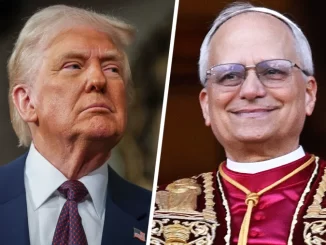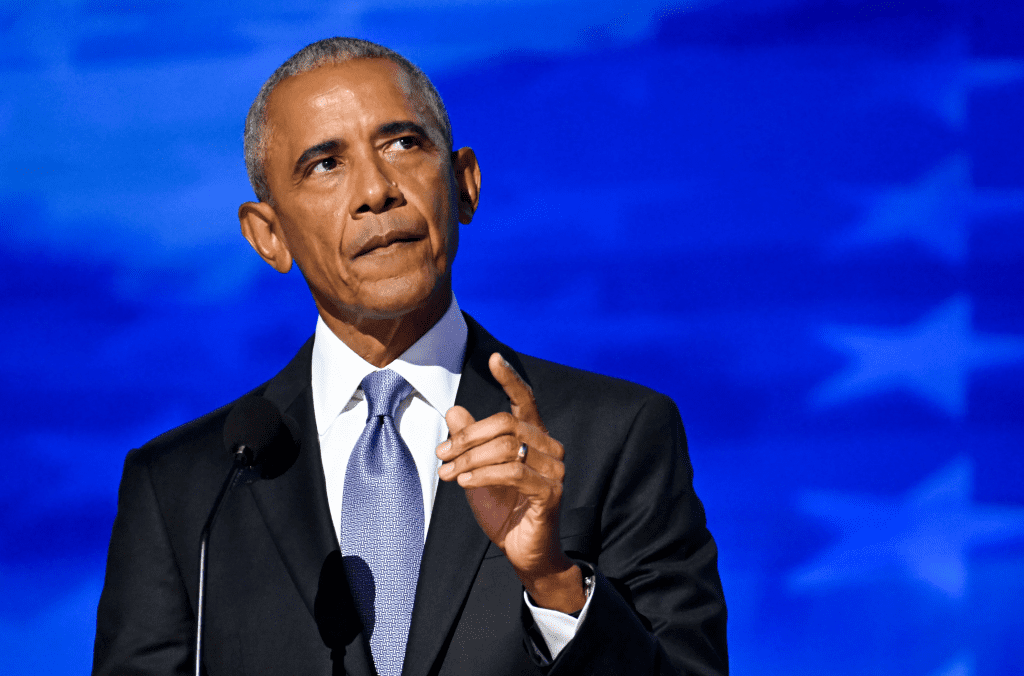
In June 2025, a persistent narrative among President Donald Trump’s supporters pins the nation’s deep polarization on former President Barack Obama, arguing his 2009-2017 presidency ignited the hate and division still felt today. As Trump’s second term pushes aggressive policies like mass deportations and voter ID laws, this claim, rooted in Obama’s handling of race, healthcare, and cultural issues, fuels a charged debate over the origins of America’s fractured political landscape and the responsibility of its leaders.
Critics of Obama argue his policies and rhetoric sowed discord. The Affordable Care Act, passed without Republican support in 2010, is cited as a flashpoint, sparking the Tea Party movement and distrust in federal overreach, with 68% of Americans in a 2023 YouGov poll expressing institutional skepticism. His comments on race, like calling the 2009 arrest of Henry Louis Gates Jr. “stupid,” are seen as inflaming tensions, with a 2016 Pew poll showing 60% of Americans felt race relations worsened under Obama. Supporters of this view, aligned with Trump’s base—90% of whom approve his 2025 performance per a Gallup poll—point to Obama’s “woke” legacy as enabling cultural battles over issues like transgender rights.
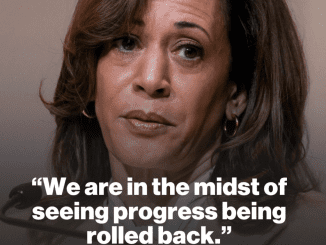
Defenders, including Sen. Cory Booker, counter that Obama inherited a divided nation. The 2008 financial crisis and the 2000 Bush-Gore election had already strained unity, with polarization rising since the 1980s, per a 2024 Pew study. Obama’s presidency, they argue, faced unprecedented GOP obstruction, with Senate Minority Leader Mitch McConnell vowing to make him a one-term president. Achievements like reducing unemployment from 10% to 4.7% by 2016 and the 2015 Paris Climate Agreement are cited as unifying efforts. Critics of the blame-Obama narrative see it as deflecting from Trump’s policies, like 142,000 deportations and tariffs raising household costs by $1,300 annually, per a 2025 Brookings study.
The racial lens intensifies the debate. As the first Black president, Obama faced unique scrutiny, with 20% of Americans in a 2010 Gallup poll falsely believing he was Muslim. His handling of the 2014 Ferguson protests is criticized for escalating racial divides, yet supporters argue he faced impossible expectations to bridge systemic gaps. Wyoming’s 2025 proof-of-citizenship voting law and incidents like the Indiana teacher’s “8647” shirt controversy reflect the ongoing cultural clash, with 55% of Americans in a 2025 Pew poll viewing Trump’s policies as excessive.
Historical context adds nuance. Weak history education—only 13% of eighth graders proficient per a 2023 NAEP report—limits awareness of past divisions, like the 1960s civil rights era. Trump’s 2025 actions, including visa revocations for suspected Hamas sympathizers and calls to defund sanctuary cities, echo his 2020 demand to shoot protesters, amplifying fears of authoritarianism. Critics argue blaming Obama oversimplifies complex social shifts, with media fragmentation and economic inequality as key drivers.
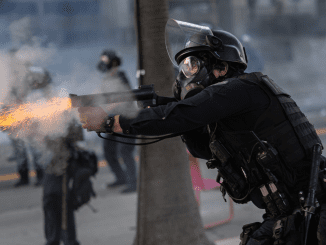
As the 2026 midterms loom, the narrative blaming Obama for division galvanizes Trump’s base but risks alienating moderates. With 19% of 2020 Trump voters undecided per a 2025 CNN poll, the focus on Obama’s legacy competes with pressing issues like Los Angeles protest arrests. The debate—past versus present leadership—underscores a nation wrestling with its identity, with no clear path to unity.