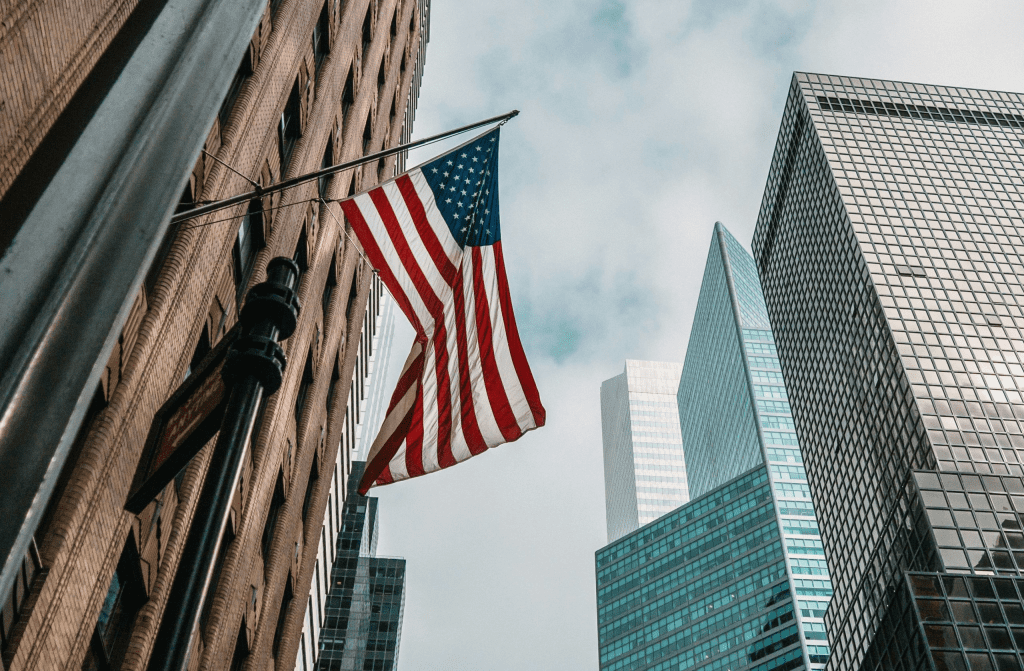
A provocative call to deport visa holders who burn the American flag has gained traction among President Donald Trump’s supporters in June 2025, amplifying tensions over immigration and free speech. The sentiment, echoing Trump’s “America First” ethos, aligns with his administration’s aggressive enforcement, including 142,000 deportations and visa revocations for suspected terrorist supporters. As the nation grapples with polarized views on patriotism and protest, the proposal raises legal, ethical, and political questions about balancing national pride with constitutional protections.
The idea stems from a broader push to crack down on perceived anti-American behavior. Supporters argue that burning the U.S. flag—a symbol of national unity—by noncitizens on visas disrespects the country granting them entry. They point to Trump’s policies, like the Safeguard American Voter Eligibility Act and the American Entrepreneurs First Act, as evidence of prioritizing American interests. A 2025 Gallup poll shows 90% of 2016 Trump voters back his agenda, with 62% of Americans favoring stricter immigration enforcement, per a 2024 Pew survey. Incidents like the 2025 Los Angeles deportation protests, where some waved foreign flags, fuel demands for punitive measures against symbolic dissent.
Legal experts, however, warn that immediate deportation for flag-burning faces steep hurdles. The Supreme Court’s 1989 Texas v. Johnson ruling protects flag-burning as free speech under the First Amendment, applicable to citizens and noncitizens alike. Deporting visa holders for such acts could violate constitutional protections, as seen in 2025 lawsuits against visa revocations for pro-Palestinian activism. The ACLU, citing 35 wrongful detentions in recent immigration sweeps, argues that targeting expressive acts risks chilling dissent. The Immigration and Nationality Act allows deportation for security threats, but flag-burning lacks clear precedent as a deportable offense.
Critics also highlight practical concerns. Secretary of State Marco Rubio’s policy of revoking visas for suspected terrorist supporters already stretches resources, with over 1,700 revocations in 2025. Adding flag-burning as a trigger would require new legislation, unlikely in a divided Congress where Republicans hold a slim 53-47 Senate majority. Democrats, like Rep. Alexandria Ocasio-Cortez, who polls at 46% favorability per a 2025 AtlasIntel survey, call such proposals divisive, arguing they distract from economic issues like tariffs raising household costs by $1,300 annually, per a 2025 Brookings study.
The proposal taps into deeper cultural divides. Supporters view flag-burning as a betrayal, especially amid Trump’s push for national pride, exemplified by pardons for 1,500, including Capitol rioters. The 2025 Indiana teacher’s “8647” shirt incident, seen as a coded threat against Trump, underscores the charged climate. Yet, critics draw historical parallels to authoritarian crackdowns, noting that weak history education—only 13% of eighth graders proficient in U.S. history, per a 2023 NAEP report—leaves voters unaware of past overreaches, like Trump’s 2020 call to shoot protesters, refused by Mark Esper.
As the 2026 midterms loom, the flag-burning deportation idea galvanizes Trump’s base but risks alienating moderates. A 2025 Pew poll shows 55% of Americans view his enforcement as excessive, and incidents like ICE’s protest arrests in Los Angeles amplify concerns. While the proposal reflects frustration with perceived disrespect, its legal and political viability remains doubtful, testing the balance between patriotism and the right to dissent in a deeply divided nation.