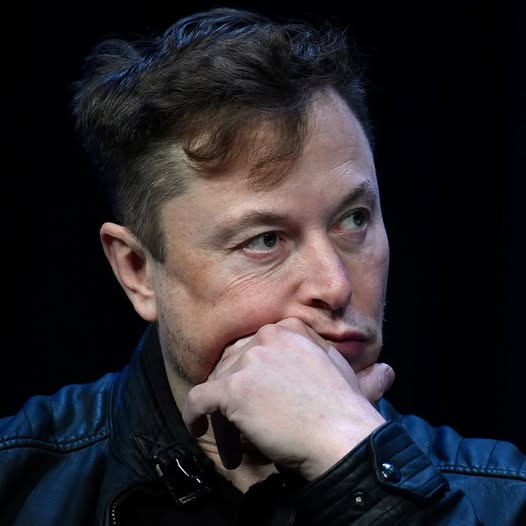
Austin, TX – At 1:08 PM +07 on Sunday, May 18, 2025, Elon Musk’s 2020 decision to relocate Tesla’s headquarters from California to Texas continues to reverberate through the tech industry, raising critical questions about the future of Silicon Valley as America’s innovation epicenter. Musk’s move, driven by Texas’s lower taxes and business-friendly environment, has not only reshaped Tesla’s trajectory but also highlighted the rising influence of alternative tech hubs, challenging California’s long-standing dominance.
Musk announced Tesla’s headquarters relocation from Palo Alto to Austin in December 2020, following a public feud with California officials over COVID-19 restrictions that temporarily shuttered Tesla’s Fremont factory. “California’s overregulation and high taxes are killing innovation,” Musk stated during a 2020 earnings call, pointing to Texas’s lack of state income tax and lighter regulatory framework as key motivators. The move was cemented with the opening of Tesla’s $1.1 billion Gigafactory Texas in 2022, which now produces the Model Y and Cybertruck, employing over 20,000 workers, per Tesla’s 2024 annual report.
Texas’s growing tech scene also played a role. Austin, often dubbed the “Silicon Hills,” has attracted major players like Oracle, which moved its headquarters there in 2020, and Apple, which expanded its campus with a $1 billion investment in 2019. The city’s lower cost of living—housing costs are 40% cheaper than in San Francisco, per 2024 Zillow data—and access to talent from universities like UT Austin have made it a magnet for tech firms. Musk himself moved to Texas in 2020, later establishing SpaceX’s Starbase near Boca Chica, which became an incorporated city on May 3, 2025, as part of his vision for a privatized, innovation-driven community.
The departure of Tesla, a $1 trillion company, was a symbolic blow to Silicon Valley, which has been the heart of tech innovation since the 1950s. California still hosts giants like Apple, Google, and Meta, but Musk’s exit highlighted growing frustrations with the state’s high taxes—its top income tax rate is 13.3%—and regulatory burdens. A 2023 Stanford study noted that 20% of Silicon Valley startups relocated between 2020 and 2023, with Texas capturing the largest share. Rising crime and homelessness in San Francisco, coupled with a 2024 tech layoffs wave that cut 165,000 jobs, per Layoffs.fyi, have further strained the region’s appeal.
Musk’s move has accelerated discussions about the decentralization of tech hubs. Cities like Miami, with its crypto-friendly policies, and Raleigh, with its Research Triangle, are gaining traction. Posts on X reflect this shift, with users noting, “Silicon Valley isn’t the only game in town anymore,” and citing Austin’s vibrant startup ecosystem, which grew 30% in venture capital funding in 2024, per PitchBook. Musk’s influence has also drawn other Musk-affiliated ventures to Texas, like The Boring Company, which is now headquartered in Pflugerville, and xAI, further solidifying the state’s tech credentials.
However, Silicon Valley’s decline is far from certain. Its unparalleled network of venture capital—$83 billion in 2024, per CB Insights—and proximity to top universities like Stanford keep it a powerhouse. Critics argue that Texas’s gains come with trade-offs: its infrastructure struggles to keep pace with rapid growth, and its conservative policies, like the 2025 land ownership ban for citizens of certain countries, may deter global talent. California, meanwhile, is fighting back with initiatives like a 2025 tax incentive program for tech firms, aiming to stem the exodus.
Musk’s relocation has undeniably shifted the tech landscape, proving that innovation can thrive beyond Silicon Valley. As Texas rises, the question remains whether California can adapt—or if the future of tech will be defined by a more distributed, multi-hub model.