San Francisco, CA – Elon Musk ignited debate on April 28, 2025, with a bold prediction on X, claiming robots will surpass skilled human surgeons in a few years and the best surgeons within five years. The statement, reported by The Economic Times, stems from Neuralink’s use of robotic technology to implant brain-computer interfaces (BCIs), a process Musk says demands precision and speed beyond human capability.
Neuralink’s R1 robot, developed with Woke Studio, is central to Musk’s claim. Used in the ongoing PRIME study, the robot implants the N1 chip—featuring 1,024 electrodes across 64 threads—into the brain’s motor cortex to help patients with ALS or spinal injuries control devices with their thoughts. The R1’s precision, inserting threads just 10-12 microns wide with minimal damage, outstrips human surgeons, Musk argued. By January 2025, Neuralink had implanted its device in three patients, with plans for 20-30 more this year, per MIT Technology Review. The second patient used the implant to play video games and design 3D objects, showcasing its potential.
However, Musk’s timeline has sparked skepticism. Current robotic systems like the Da Vinci Surgical System assist surgeons but require human oversight, and Neuralink’s R1 is limited to BCI implantation, not general surgery. The FDA initially rejected Neuralink’s human trials in 2022 over safety concerns, only approving them in 2023 after significant adjustments, per Reuters. Early challenges, like thread retraction in the first patient, highlight ongoing risks, though Neuralink has improved techniques, Forbes noted.
On X, reactions are mixed. Users like
@boldideaslarry support Musk’s vision of AI-driven precision, while others argue robots aren’t ready to replace surgeons’ nuanced decision-making. Ethical concerns also loom—The Economic Times highlighted fears of job displacement and the risks of automating such a sensitive field, especially given Neuralink’s history of controversial animal testing, which prompted federal investigations in 2024, per The Guardian.
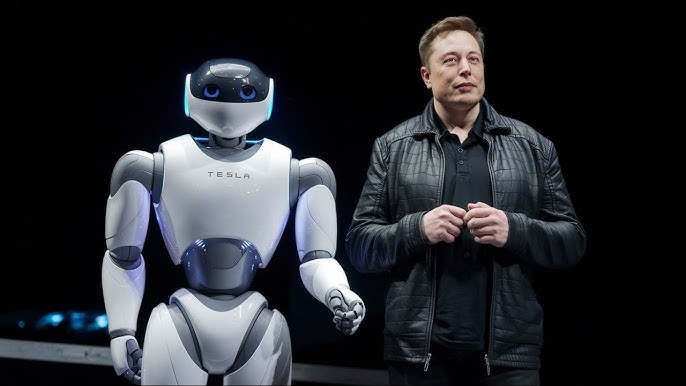
Musk’s broader vision includes treating conditions like epilepsy or even enabling “cybernetic superpowers,” such as controlling Tesla’s Optimus robot with thoughts. Yet, his history of optimistic predictions—like Tesla’s autonomous driving by 2018—casts doubt on his timeline. While Neuralink’s advancements are promising, the technology’s narrow focus and the need for extensive safety validation suggest a slower rollout than Musk envisions, raising questions about whether his forecast is a realistic goal or a strategic move to generate buzz.