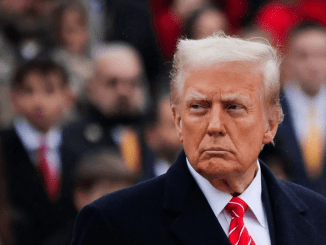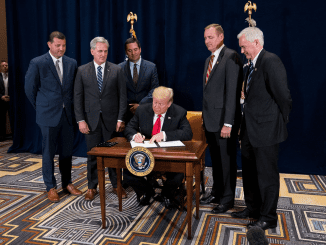
As President Donald Trump’s second term enters its second month in January 2026, Democrats continue to assert that his 2024 voters are experiencing widespread buyer’s remorse. Figures like Senate Minority Leader Chuck Schumer have pointed to early policy moves—from mass deportations to foreign interventions—as evidence that supporters are disillusioned. Yet, many Trump backers push back, insisting they’ve “never met” a regretful voter, framing the narrative as partisan spin.
Recent polls paint a nuanced picture. A November 2025 survey by Somos Votantes found that 36% of Latino Trump voters expressed regret or disappointment, citing economic concerns and unfulfilled promises on costs.
This demographic, which shifted significantly toward Trump in 2024, shows the highest dissatisfaction. Overall, Navigator Research reported in December 2025 that 14% of Trump voters regret their choice, up slightly from earlier figures but still a minority.
An MSN poll compilation from the same period highlighted “regret setting in” among swing groups, though core Republicans remain steadfast at over 90% approval.
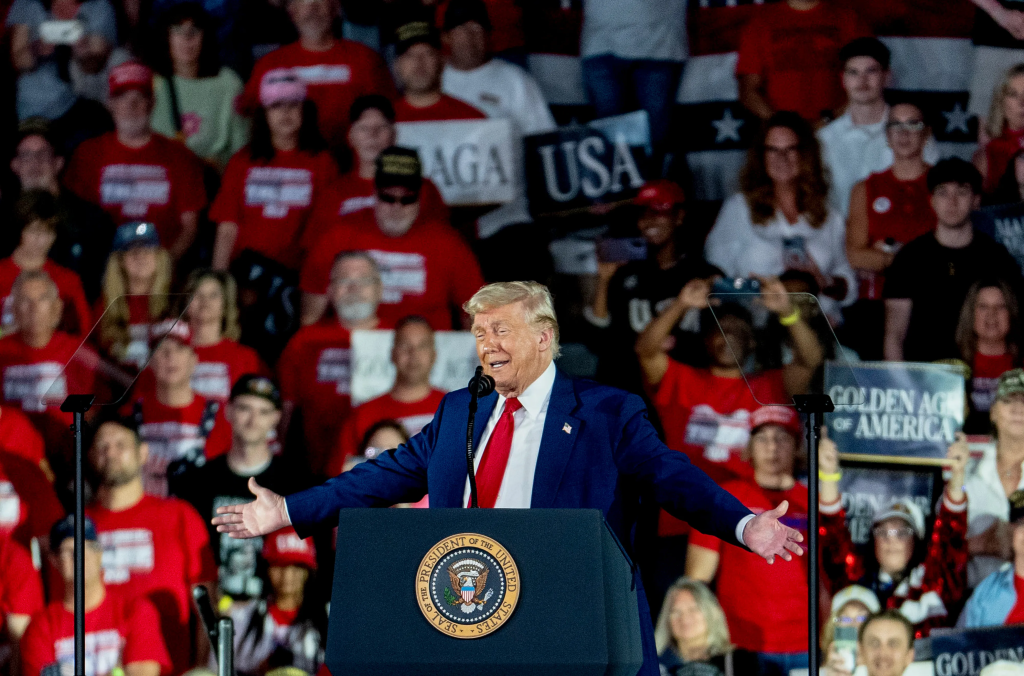
Anecdotal accounts from rallies and online forums reinforce the divide. Supporters celebrate actions like the Maduro capture and tariff surges as vindication, dismissing regret claims as elite media bias. “We’re seeing results—no turning back,” one Midwestern voter said at a recent event.
Experts attribute the discrepancy to polarization: Regret is real but concentrated in marginal voters, while the base feels empowered. As midterms loom, these sentiments could influence turnout. Democrats hope to capitalize on any erosion, but if polls hold, Trump’s coalition may prove resilient despite the noise.