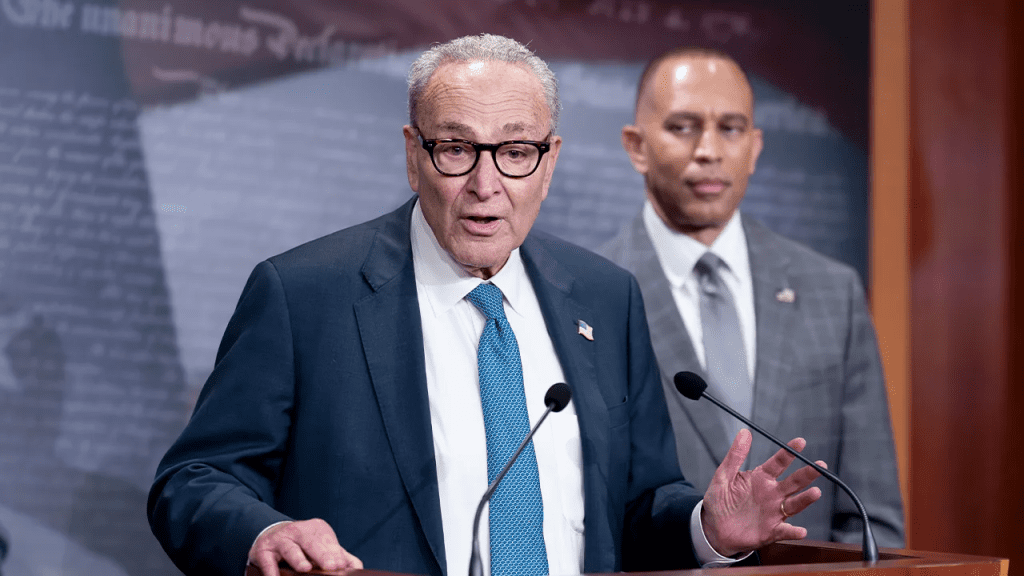
In a striking display of political inconsistency, Senate Minority Leader Chuck Schumer has found himself on opposite sides of the same issue six years apart. In 2020, Schumer sharply criticized then-President Donald Trump for failing to remove Venezuelan dictator Nicolás Maduro, accusing him of weakness and inaction that allowed a “brutal regime” to continue oppressing its people and flooding the region with instability.
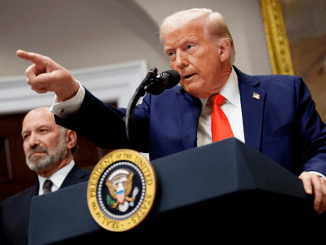
Fast forward to January 2026: After Trump authorized a swift military operation that captured Maduro, his wife, and seized control of key assets in under 11 hours, Schumer condemned the move as “reckless imperialism” and a “dangerous violation of international law.” He argued the intervention lacked congressional approval, risked broader conflict, and undermined America’s moral standing on the global stage.
The reversal has drawn fierce backlash from Republicans and conservative commentators, who point to Schumer’s earlier calls for decisive action against Maduro as proof of partisan opportunism. “When Trump didn’t act, Schumer demanded he do more. When Trump did act, Schumer demanded he do less,” one GOP strategist remarked. Supporters of the operation highlight the humanitarian relief now unfolding in Venezuela, with crowds celebrating the end of years of repression and economic collapse.
Democrats counter that the issue is not Maduro himself but the method—unilateral military action without oversight sets a perilous precedent. Yet the contrast in Schumer’s rhetoric has fueled accusations of hypocrisy, further eroding trust in political consistency.
As Venezuela begins a fragile transition under U.S. oversight, the episode underscores America’s deep partisan divide: one side sees bold leadership, the other sees dangerous overreach. For many observers, the real story is less about Maduro and more about how quickly principles shift when power changes hands.