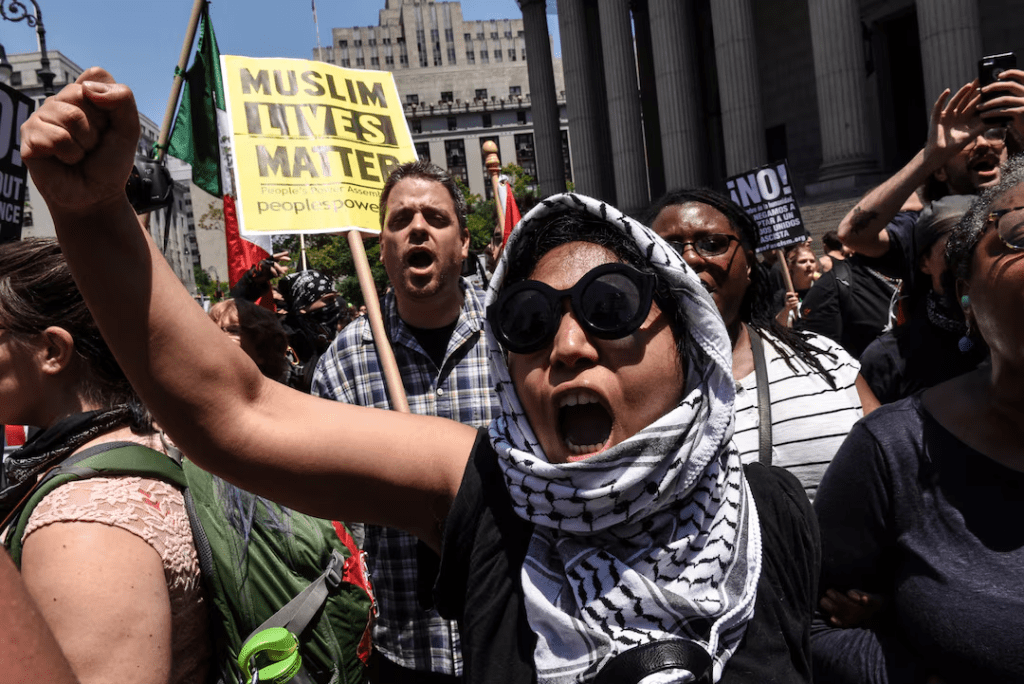
In recent months, heated discussions have erupted across social media and public forums regarding calls for implementing Sharia law in countries like the United States and the United Kingdom. Proponents, often from Muslim immigrant communities, argue that Sharia—Islamic legal principles governing personal and family matters—should be recognized alongside secular systems to accommodate religious freedoms. They point to successful integrations in places like the UK, where Sharia councils handle voluntary arbitrations for divorce and inheritance, emphasizing cultural diversity in multicultural societies.
Critics, however, respond with sharp rebukes, encapsulated in slogans like “If you want Sharia law, then go home.” They contend that Sharia conflicts with Western values of equality, particularly on issues like women’s rights, LGBTQ+ protections, and separation of church and state. High-profile figures, including conservative commentators, warn that accommodating such demands erodes national sovereignty and invites parallel legal systems that undermine constitutional principles. Incidents, such as protests in Minnesota amid immigration surges, have amplified these tensions, with some accusing activists of disloyalty to their adopted homelands.
Polls reflect division: A 2025 Pew survey found 45% of Americans view Sharia as incompatible with democracy, while 30% support limited religious accommodations. Advocates for integration stress education and dialogue to bridge gaps, noting most Muslims in the West prioritize local laws. Yet, backlash persists, fueled by fears of extremism and cultural erosion.
As immigration policies tighten under the Trump administration, the debate underscores broader questions of assimilation versus pluralism. For many, it’s a test of how democracies balance freedom of religion with unified legal frameworks. Without compromise, such rifts risk deepening societal divides in an increasingly globalized world.