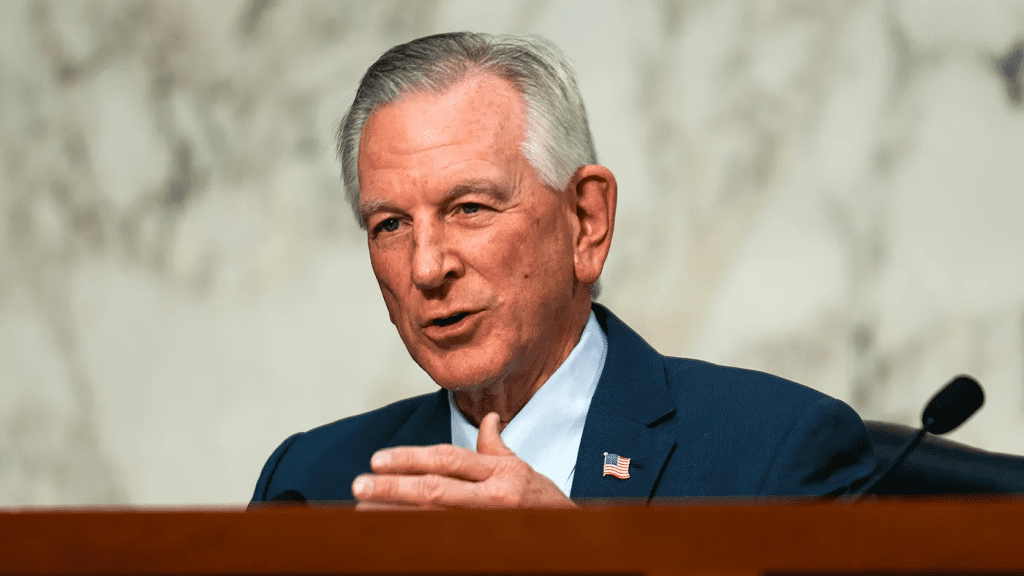
In the charged political climate of early 2026, Alabama Senator Tommy Tuberville’s December 2025 call for the immediate deportation of “radical Islamists” has sparked intense controversy, drawing both fervent support and sharp condemnation.
Tuberville, speaking on the Senate floor, linked his demand to alleged fraud by Somali immigrants in Minnesota and broader threats from Islamic terrorism, urging the Trump administration to act swiftly to protect national security.
“We need to deport these threats now,” he stated, framing it as essential to countering globalist agendas and migration-driven dangers.
Supporters, including conservative lawmakers and commentators, agree wholeheartedly, viewing the proposal as a pragmatic response to rising extremism. They cite incidents like the 2025 Washington, D.C., shooting and ongoing fraud scandals as evidence that delayed action endangers Americans.
Proponents argue that targeting “Islamists”—defined as radical adherents, not all Muslims—aligns with Trump’s deportation priorities, potentially curbing terrorism without broad discrimination.
Public polls show backing among GOP voters, who see it as restoring order amid immigration surges.
Critics, however, blast the rhetoric as Islamophobic and unconstitutional, landing Tuberville on civil rights groups’ extremist lists.
Democrats and advocacy organizations, like CAIR, condemn it as hate-fueled, potentially leading to mass expulsions of Muslim Americans and violating due process. “This isn’t security; it’s bigotry,” one analyst said, noting similar calls from figures like Rep. Randy Fine have fueled backlash. Opponents warn of chilling effects on communities and international relations, urging evidence-based policies over blanket deportations.
As the Trump era intensifies enforcement, the question divides the nation: Is immediate deportation of Islamists a necessary safeguard, or a dangerous overstep? With midterms approaching, Tuberville’s stance may shape the GOP’s platform, testing America’s balance between safety and civil liberties.