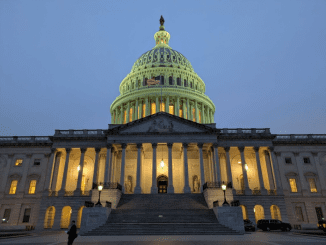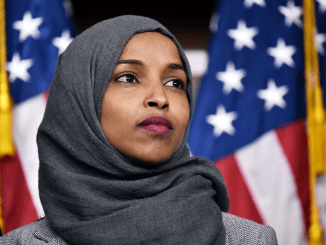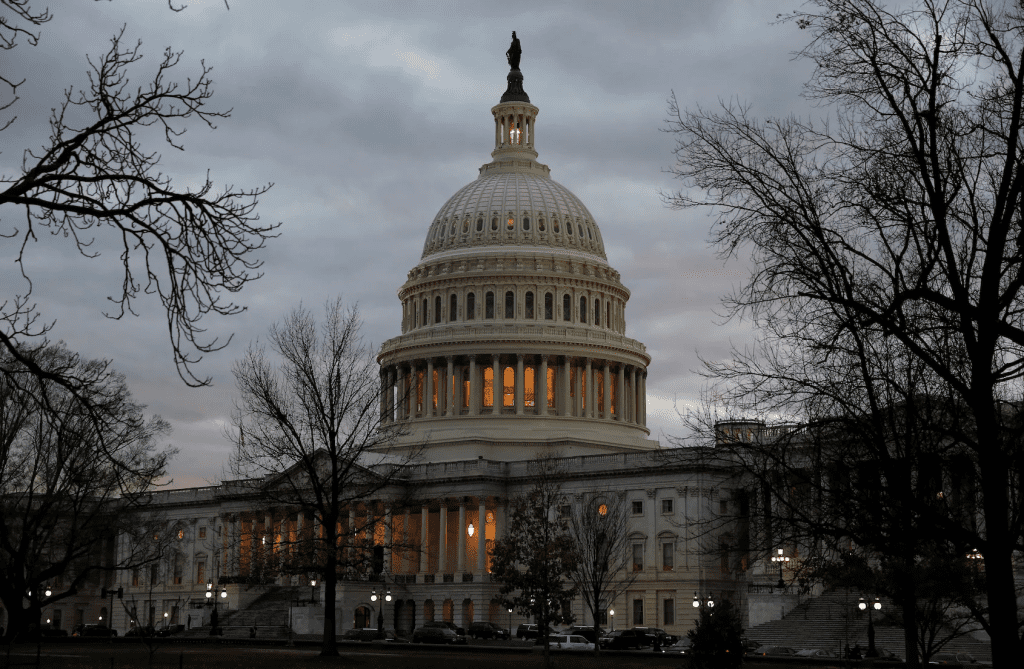
Washington, D.C. – A growing chorus of Americans is shifting focus from the White House to Capitol Hill, arguing that the true issue plaguing U.S. politics isn’t who occupies the Oval Office for 4-8 years, but who entrenches in Congress for 30-40 years. This sentiment, amplified amid President Donald Trump’s second term, underscores frustration with career politicians perceived as out of touch, self-serving, and resistant to change.
The average House member now serves over 9 years, while senators average 10, with veterans like Sen. Chuck Grassley (44 years) and Rep. Hal Rogers (42 years) embodying the “permanent class.” Critics contend long tenures breed corruption, insider trading scandals, and a disconnect from constituents’ daily struggles. Trump’s allies, including Sen. Ted Cruz and Rep. Matt Gaetz, have revived term limit proposals, suggesting caps at 12 years for House members and 18 for senators to inject fresh blood and curb lobbyist influence.
Proponents see it as democracy’s reset button. “Congress has become a club for lifers who enrich themselves while America suffers,” one reform advocate said, pointing to polls where 80% of voters favor limits. Trump’s own outsider appeal in 2016 and 2024 tapped this vein, promising to “drain the swamp” of entrenched power.
Opponents, often long-serving lawmakers, warn limits would empower unelected bureaucrats and lobbyists, stripping Congress of institutional expertise needed for complex legislation. “Experience matters in governance,” argued a senior Democratic aide, noting rookie mistakes could paralyze policy.
As 2026 midterms loom, term limits bills gain co-sponsors across aisles, fueled by public fatigue with gridlock and scandals. Whether they pass remains uncertain, but the debate crystallizes a pivotal question: Is America’s ailment presidential overreach, or congressional ossification? In a nation craving renewal, the clock on career politicians may finally be ticking.