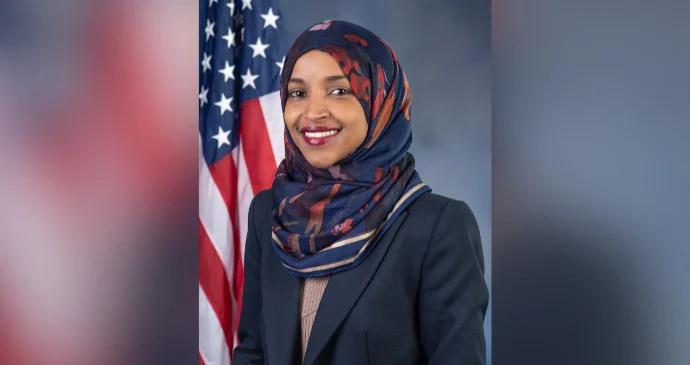
Washington, D.C. – A contentious proposal to remove foreign-born members from Congress has sparked fierce debate, raising questions about citizenship, loyalty, and constitutional rights in an increasingly polarized America. The idea, floated by conservative lawmakers and amplified in online forums, targets representatives like Minnesota’s Ilhan Omar, a Somali-born naturalized citizen, amid allegations of divided allegiances and immigration fraud. Proponents argue it’s essential to ensure undivided loyalty to the U.S., especially in an era of global threats and domestic divisions.
Supporters contend that foreign-born lawmakers may prioritize international ties over American interests, citing Omar’s criticism of U.S. foreign policy and support for Palestinian causes as evidence of potential bias. “We need leaders who put America first, without foreign entanglements,” said one Republican strategist, echoing calls for stricter eligibility beyond the Constitution’s seven-year citizenship requirement for House members. A recent poll shows 52% of Republicans favor such removals, viewing it as a safeguard against “infiltration” in sensitive roles.
Opponents decry the notion as xenophobic and unconstitutional, violating the 14th Amendment’s equal protection clause. “This isn’t about loyalty—it’s bigotry targeting immigrants who embody the American dream,” argued Rep. Pramila Jayapal, herself foreign-born from India. Civil rights groups warn it could disenfranchise naturalized citizens, setting a dangerous precedent for discrimination. The Constitution allows foreign-born individuals to serve if they meet citizenship tenure, as seen with historical figures like Henry Kissinger.
The push gains traction under President Trump’s second term, with bills in committee seeking to bar dual citizens or those with “conflicting loyalties.” As midterms loom, the debate tests America’s immigrant heritage: Inclusion or exclusion? For a nation built by newcomers, the answer could redefine representation.