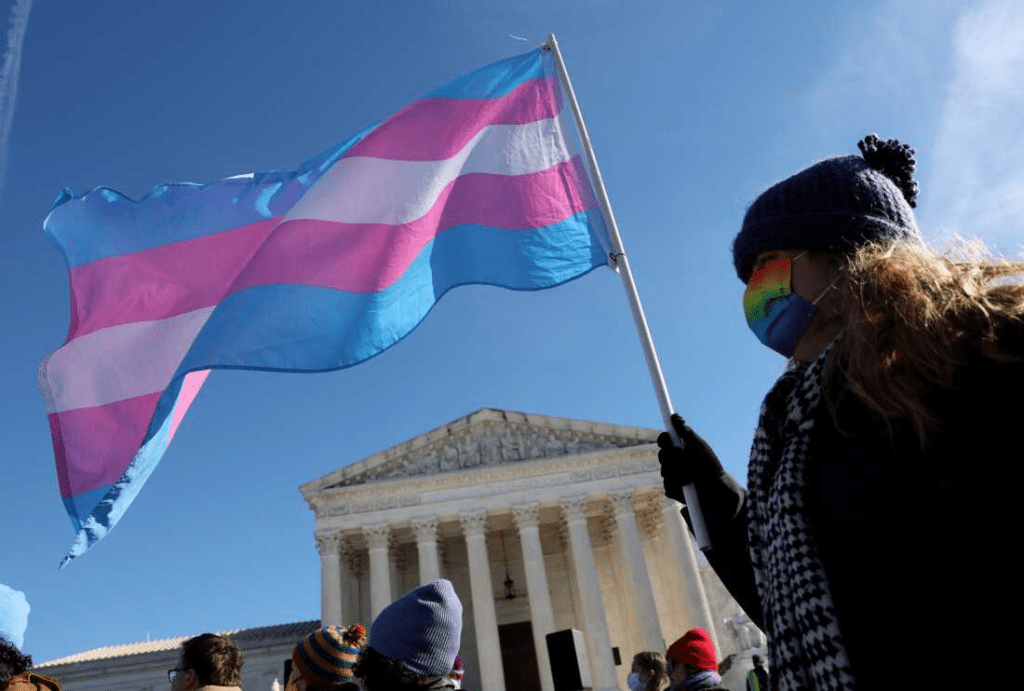
Washington, D.C. – A new federal rule set to take effect in January 2026 under President Donald Trump’s administration could result in transgender women inmates being transferred to men’s prisons, reversing Biden-era policies that allowed housing based on gender identity. The directive, issued by the Bureau of Prisons on December 15, 2025, prioritizes biological sex over self-identified gender for facility assignments, citing safety concerns and resource allocation.
The policy aims to “protect vulnerable populations” by limiting placements that could lead to violence or exploitation, according to DOJ officials. Transgender women—those born male but identifying as female—would generally be housed in male facilities unless they meet strict criteria, such as post-surgical transition or documented safety risks. This echoes Trump’s first-term approach, which emphasized “biological realities” in corrections.
Advocates for transgender rights have decried the rule as dangerous and dehumanizing. Lambda Legal warned it exposes inmates to heightened risks of assault, noting transgender women in men’s prisons face abuse rates up to 10 times higher than the general population. “This isn’t safety—it’s state-sanctioned harm,” said attorney Shannon Minter, vowing immediate lawsuits under the Eighth Amendment’s cruel and unusual punishment clause.
Supporters, including conservative groups like the Alliance Defending Freedom, applaud it as common-sense reform. “Prisons must prioritize security over ideology,” said policy director Kristen Waggoner, pointing to incidents where transgender placements allegedly led to misconduct.
The rule affects an estimated 1,200 transgender federal inmates, with states likely to follow suit. As legal battles loom, it crystallizes Trump’s cultural agenda: Rolling back LGBTQ+ protections in the name of tradition. For those behind bars, the change could mean isolation units or transfers—reshaping lives in the shadows of policy.