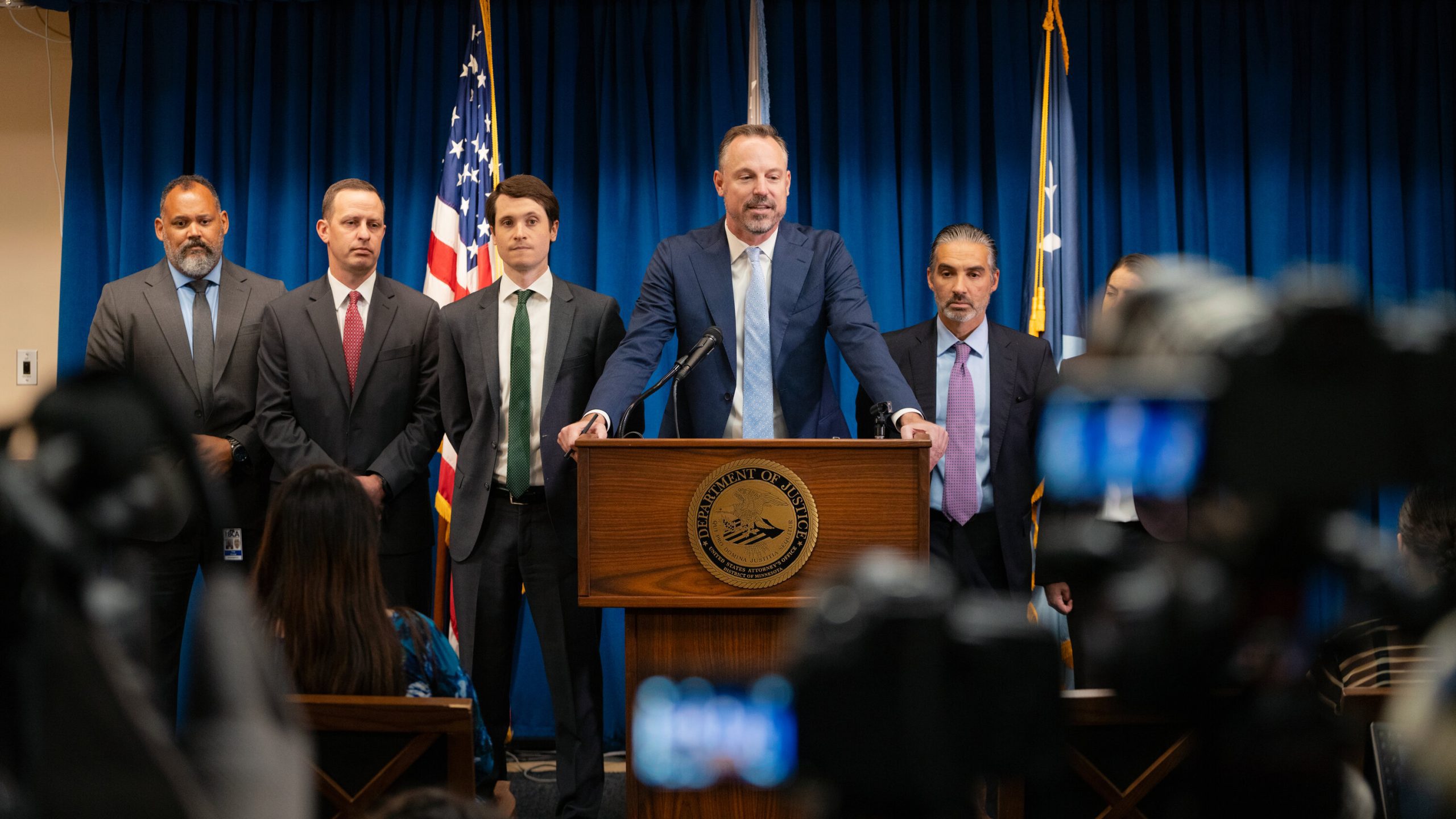
Expanding Medicaid Fraud ProbeMinneapolis – Federal agents executed a search warrant at a Somali-owned home healthcare provider in the Twin Cities on December 19, 2025, marking the latest escalation in a sprawling investigation into Medicaid fraud that has already exposed hundreds of millions in alleged theft. The raid, confirmed by the FBI’s Minneapolis field office, targeted a business suspected of billing for nonexistent services and kickbacks, part of a pattern plaguing Minnesota’s booming home care sector.
The operation unfolds against the backdrop of the Feeding Our Future scandal, where over $250 million in federal child nutrition funds were diverted through fake meal sites, many linked to Somali community organizations. Prosecutors have charged dozens, alleging funds fueled luxury purchases and overseas transfers. This new probe widens the net to adult home healthcare, where Medicaid reimbursements exceed $3 billion annually in Minnesota—making it a prime target for exploitation.
Agents seized documents and electronic devices from the provider’s offices and residences, sources say, as part of a coordinated strike involving IRS Criminal Investigation and state authorities. No arrests were immediate, but the action signals more indictments loom. The business, which serves elderly and disabled clients, has ties to previous fraud cases, raising questions about oversight in a program reliant on community-based providers.
Gov. Tim Walz’s administration has faced scrutiny for lax monitoring, with critics tying the scandals to rapid program growth under his watch. DHS officials insist reforms are underway, including enhanced audits and sponsor vetting. Yet, in Minneapolis’s vibrant Somali neighborhoods, the raids sow fear and resentment, with community leaders decrying “targeted harassment” amid Trump’s deportation surge.
As the investigation deepens, Minnesota confronts a sobering reality: Billions in taxpayer aid intended for the vulnerable allegedly siphoned by sophisticated schemes. The FBI’s hammer falls again, but restoring trust—and funds—may prove the harder battle.