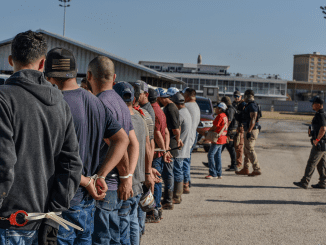
Washington, D.C. – A raw sentiment is sweeping red-state diners and online forums: “I’ll gladly pay higher prices from tariffs if it means stopping 50 million illegal immigrants from draining my tax dollars.” The figure, while exaggerated (current estimates hover near 11-13 million undocumented), captures a visceral frustration that propelled Donald Trump back to the White House and now fuels acceptance of his aggressive tariff regime.
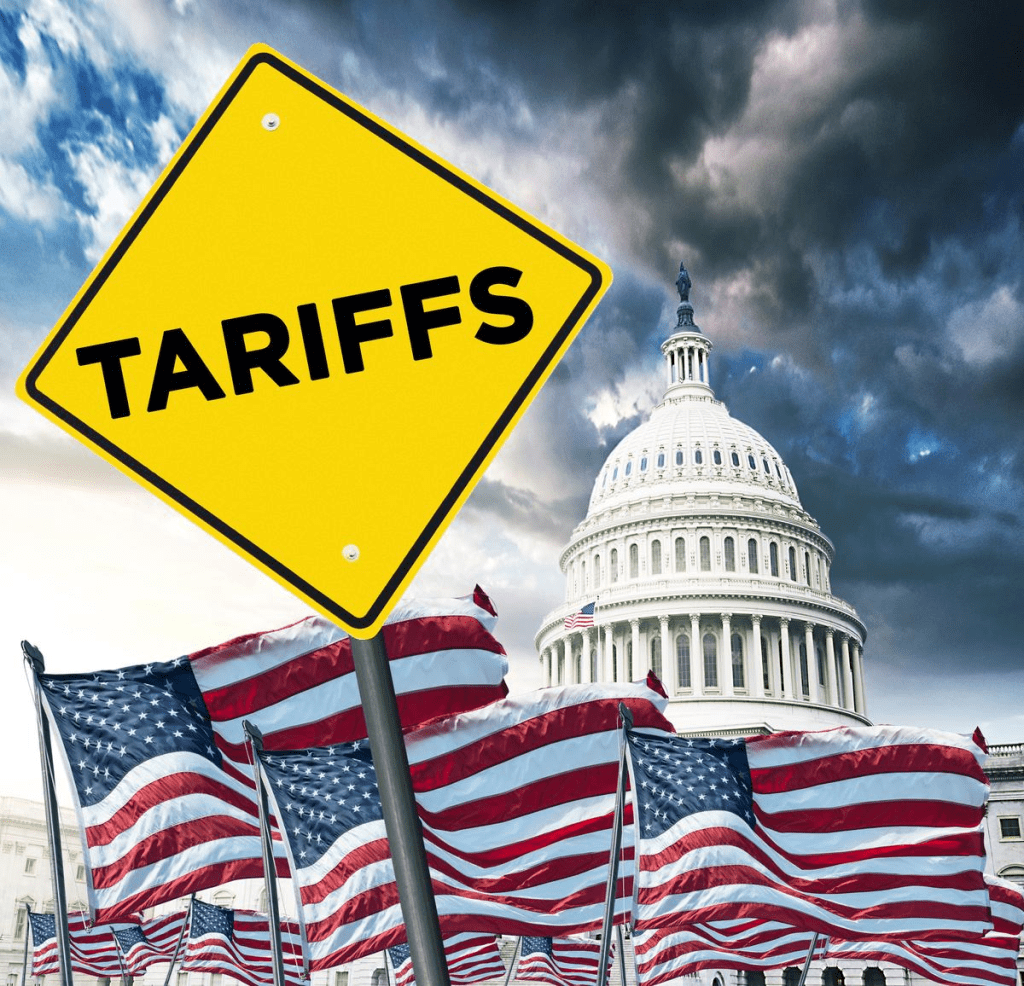
The math, though imperfect, resonates. Studies from the Federation for American Immigration Reform peg the annual net cost of illegal immigration at roughly $150 billion (education, healthcare, welfare, incarceration), far outstripping the $20-30 billion most migrants contribute in taxes. When voters see emergency rooms crowded, schools strained, and wages stagnant in construction and agriculture, the “50 million” hyperbole feels emotionally true even if statistically off. Trump’s tariffs (and now President Trump’s) tariffs, projected to raise consumer prices 5-12% on imported goods, suddenly look like the cheaper bill.
Early evidence backs the mood shift. A December 2025 Reuters/Ipsos poll found 61% of Americans now say they are “willing to pay more” for tariffs if it funds mass deportation and border security. In swing counties that flipped red, the number jumps to 73%. Grocery inflation from tariffed avocados and coffee is shrugged off with comments like “eggs cost less when hospitals aren’t giving free care to non-citizens.”
Critics warn the trade-off is illusory: deporting millions would crater industries, spike labor costs, and ultimately raise prices more than tariffs ever could. Yet the political reality is clear: millions of voters have already done the emotional accounting and decided that sovereignty and fiscal relief outweigh the sting at the checkout line. In Trump’s second term, the tariff pain is no longer a bug; it’s the feature voters knowingly purchased.