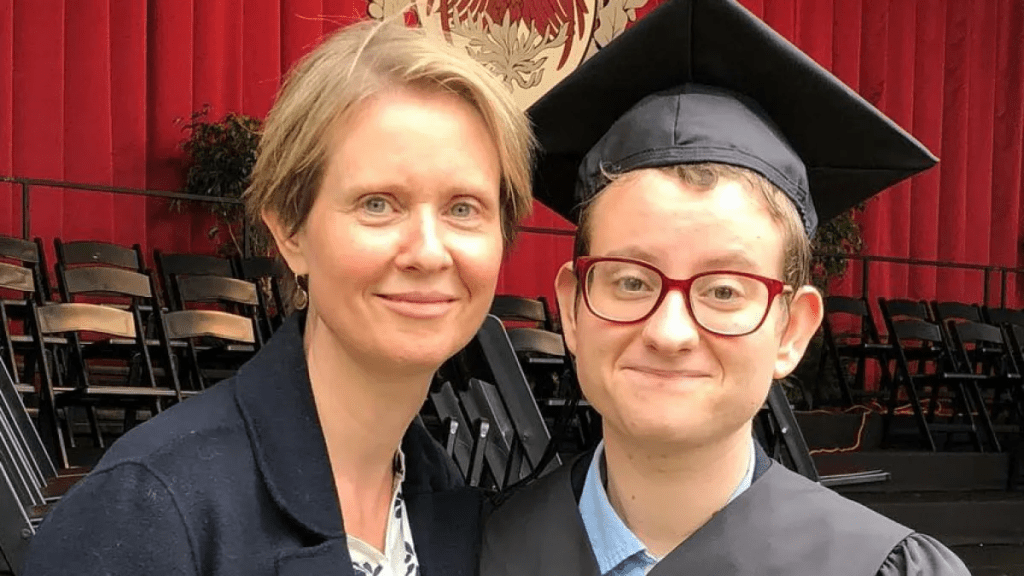
New York – Actress and activist Cynthia Nixon ignited a firestorm this week when she declared in a podcast interview: “My kid is trans, my sister’s kids are trans, every kid I know is trans and proud.” The “Sex and the City” star, whose eldest child Samuel (now Seph) came out as transgender in 2018, framed the statement as joyful affirmation of identity and visibility, yet it landed like a grenade in an already polarized culture war.
Nixon, a longtime LGBTQ+ advocate, was celebrating what she sees as generational openness. She pointed to skyrocketing youth identification rates, with Gallup reporting 19.7% of Gen Z identifying as LGBTQ+ and CDC data showing 1.4% of 13-17-year-olds identifying as transgender (up from 0.7% in 2017). To her, the surge reflects safety, not social contagion: “Kids finally feel free to be themselves.”
Critics pounced instantly. Conservative commentators called the remark tone-deaf hyperbole from a privileged Manhattan bubble, noting that nationwide only about 300,000 minors identify as trans (0.4% of under-18s). Detransitioner Chloe Cole, now 21, labeled it “dangerous romanticization,” arguing it normalizes irreversible medical decisions for children. Even some moderate Democrats winced, fearing the quote feeds GOP narratives ahead of 2026 midterms, where transgender issues topped voter concerns in swing states.
Within hours, #EveryKidIKnow trended as parents across the spectrum pushed back: suburban moms posting photos of their cisgender children, others sharing stories of socially influenced dysphoria that later resolved. The backlash underscored a widening chasm: one side sees Nixon’s words as loving acceptance, the other as elite denial of complex realities facing confused teens.
As states from Florida to Montana tighten youth transition laws, Nixon’s sweeping claim crystallizes the stakes. For millions, it’s not pride—it’s a culture war flashpoint where childhood itself feels contested.