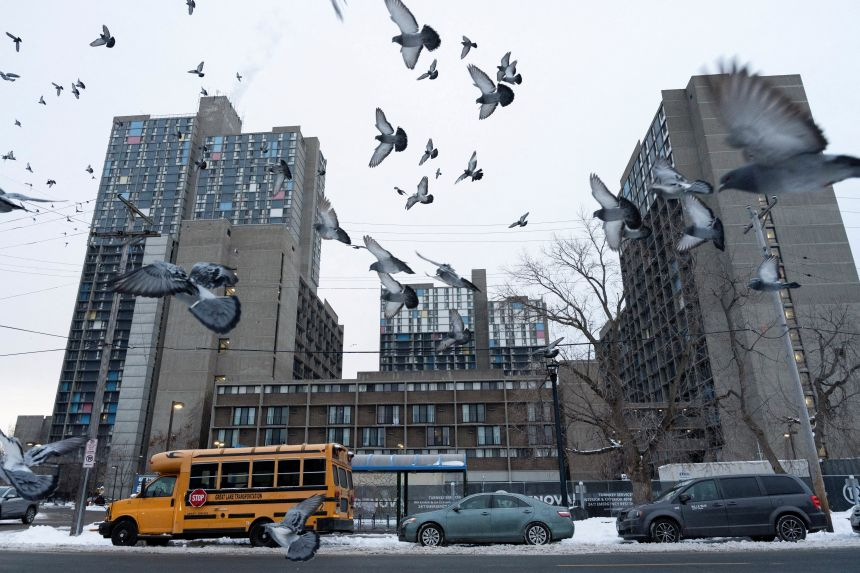
Minneapolis – A palpable dread has settled over the Cedar-Riverside neighborhood, the beating heart of America’s largest Somali diaspora, as federal immigration agents fan out across the Twin Cities in a sweeping enforcement operation. What began as whispers of impending raids has erupted into a wave of arrests, protests, and hypervigilance, leaving families barricaded indoors and even U.S. citizens clutching passports for fear of mistaken detentions.
The crackdown, launched in early December 2025, targets hundreds of undocumented Somali immigrants with final deportation orders, according to federal officials. Immigration and Customs Enforcement (ICE) has surged over 100 agents into Minneapolis and St. Paul, conducting sweeps outside malls, homes, and day labor sites. By Thursday, at least 12 arrests were confirmed, though community reports suggest dozens more, including non-Somalis scooped up in the dragnet. Agents, sometimes posing in unmarked vehicles with Uber stickers, have been spotted at Karmel Mall and Riverside Plaza, prompting a sharp drop in foot traffic at local businesses.
President Donald Trump’s inflammatory rhetoric has poured fuel on the flames. During a Cabinet meeting on December 3, he branded Somali immigrants “garbage” who “contribute nothing,” vowing to expel them en masse. The comments, echoing his long-standing fixation on the community, coincided with the operation’s kickoff, drawing accusations of racial targeting. “This isn’t enforcement—it’s intimidation,” fumed Minneapolis City Council Member Jamal Osman, a Somali refugee, at a packed press conference. Even legal residents now navigate the streets warily; one mother told reporters she skips school drop-offs, haunted by tales of neighbors vanishing mid-errand.
Local leaders rallied in solidarity. Mayors Jacob Frey and Melvin Carter reaffirmed non-cooperation with ICE, while a prayer vigil at the Brian Coyle Community Center drew hundreds, blending Christian and Muslim voices in defiance. “We stand with our Somali kin,” intoned Minister Amber Jones amid chants of unity. Protests have clashed with agents, with crowds blocking vans and demanding transparency. Advocates like those at Pillars United Communities report a 20% spike in hotline calls, offering legal aid amid the chaos.
For Minnesota’s 80,000-plus Somalis—entrepreneurs, nurses, and elected officials who’ve woven into the state’s fabric—this feels like a siege. As winter bites, the question looms: Will the raids fracture a vibrant community, or forge fiercer resilience? In the shadow of Trump’s mandate, Cedar-Riverside’s lights burn late, a beacon against the gathering storm.