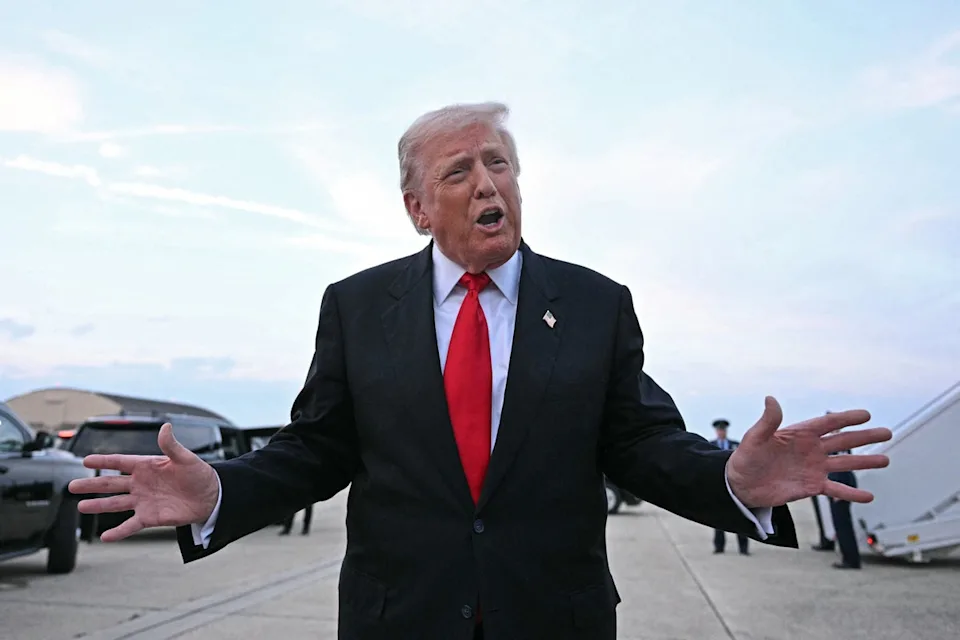
In a rare fracture among closest allies, Britain has suspended sharing intelligence on suspected drug-trafficking vessels in the Caribbean with the United States, citing fears of complicity in what it deems illegal military strikes ordered by President Donald Trump. The decision, first reported by CNN on November 11, 2025, marks a significant chill in transatlantic cooperation, as London refuses to feed data that could enable lethal attacks on small boats.
For years, UK intelligence assets in British Caribbean territories like the Cayman Islands and Turks and Caicos have aided the US in tracking narco-vessels, funneling tips to Florida’s Joint Interagency Task Force South for Coast Guard interdictions—seizures of drugs and detentions without bloodshed. But since September, when Trump’s administration escalated to drone and missile strikes, the dynamic shifted dramatically. At least 76 people, including Venezuelan, Ecuadorian, and Colombian nationals, have perished in 19 operations, often on vessels described as stationary or non-threatening.
British officials, echoing UN Human Rights Chief Volker Türk’s condemnation of the actions as “extrajudicial killings,” view the strikes as violations of international law. A leaked UK Foreign Office memo, per sources, warns that providing intel risks “aiding unlawful force” under the Geneva Conventions. Downing Street, tight-lipped on specifics, reiterated its “longstanding policy” of non-comment on intelligence matters, but insiders confirm the pause began weeks after the first strike.
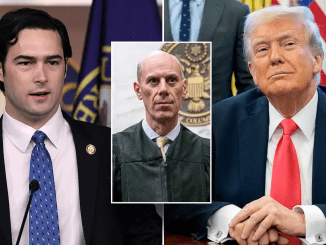
Trump’s Defense Secretary Pete Hegseth, dubbed “War Secretary” by critics, defended the campaign on X, touting recent hits on “vessels operated by Designated Terrorist Organisations.” The White House argues the traffickers are “enemy combatants” in an “armed conflict,” justifying preemptive action without congressional approval. Yet, dissenting Pentagon lawyers and Democratic lawmakers like Rep. Joaquin Castro decry it as “extrajudicial vigilantism,” potentially inciting war with Venezuela amid a US naval buildup, including the USS Gerald R. Ford carrier group.
Canada, too, has distanced itself, clarifying its anti-drug ops exclude lethal support. As the strikes pivot to the eastern Pacific off Mexico, this intel rift exposes Trump’s aggressive “America First” posture clashing with allies’ legal red lines. With fentanyl deaths surging stateside, the policy’s efficacy remains unproven—seized hauls down 15% since the campaign began. Will this diplomatic dent force a rethink, or harden US unilateralism? In the shadow of Trump’s January inauguration, the Caribbean’s choppy waters now mirror a strained special relationship.