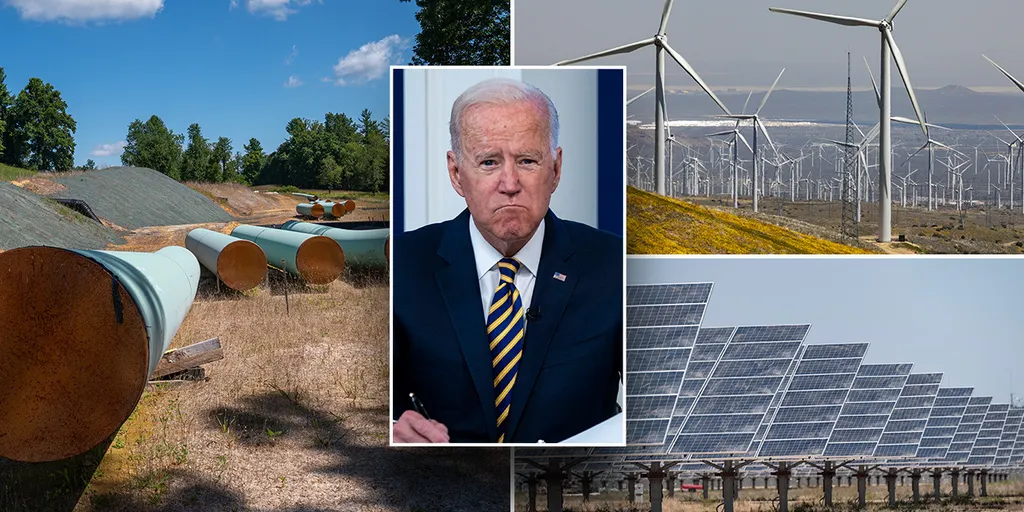
In a sweeping executive directive on November 12, 2025, President Donald Trump ordered the Department of Energy to claw back over $13 billion in unobligated funds earmarked by the Biden administration for wind farms, solar arrays, battery storage, and electric vehicle incentives. The move, announced via a terse White House statement, signals the incoming administration’s aggressive rollback of what Trump has repeatedly derided as a “green scam” draining American wallets.
The targeted funds, drawn from the 2021 bipartisan infrastructure law and the Inflation Reduction Act, were poised to fuel thousands of clean energy projects nationwide. Energy Secretary Chris Wright, a vocal skeptic of renewables, hailed the cancellation as a “return to fiscal sanity,” arguing the subsidies propped up unreliable technologies while ignoring domestic oil and gas booms. “These billions do nothing for real energy security—they just line the pockets of foreign manufacturers,” Wright told reporters at a Mar-a-Lago briefing. Trump echoed the sentiment on Truth Social, posting: “No more wasting YOUR money on bird-killing turbines and golf-cart cars!”
Supporters in energy-dependent states like Texas and Pennsylvania applaud the shift, viewing it as a lifeline for fossil fuel jobs amid stagnant wages. Industry analysts estimate the reversal could stabilize gasoline prices below $3 per gallon by mid-2026, bolstering Trump’s “America First” mandate. Yet, environmental advocates and Democratic lawmakers decry it as shortsighted sabotage. Sierra Club executive director Jon Devine warned of “catastrophic job losses” in burgeoning solar and wind sectors, where employment has surged threefold faster than the national average. Senate Minority Leader Chuck Schumer vowed immediate litigation, citing potential violations of congressional appropriations.
As legal battles loom and global climate talks falter, this $13 billion purge crystallizes America’s energy crossroads: Drill, baby, drill—or chase a greener horizon? With Trump’s inauguration weeks away, the answer tilts decisively toward the former, testing the resilience of Biden’s legacy amid a polarized nation’s power plays.