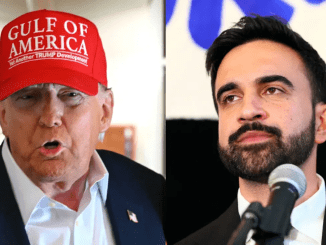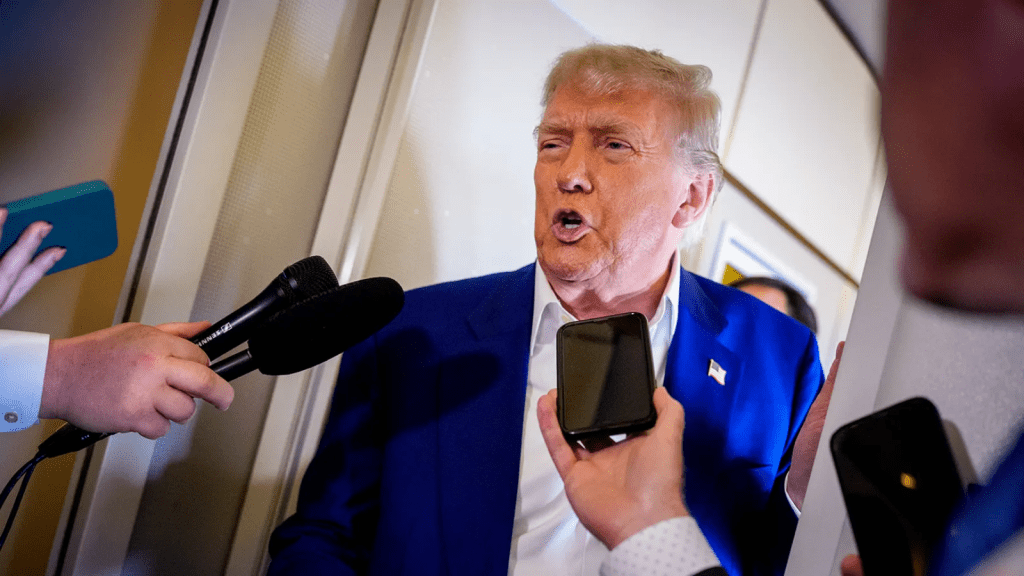
OSLO – As the Norwegian Nobel Committee prepares to unveil the 2025 Peace Prize winner on Friday, President Donald Trump’s name looms large, buoyed by a flurry of international nominations and his administration’s audacious diplomatic blitz. From brokering the Abraham Accords in his first term to recent ceasefires in Gaza, Ukraine, and the India-Pakistan crisis, Trump’s supporters argue he’s forged more peace deals than any modern leader. “Everyone says I should get it,” Trump quipped last month, though he later dismissed the panel as biased. Yet with 338 nominees and a secretive process, the question burns: Does he truly deserve the world’s highest honor for fraternity among nations?
Trump’s credentials are undeniably bold. His 2020 Abraham Accords normalized ties between Israel and four Arab states, a breakthrough lauded by Israeli Prime Minister Benjamin Netanyahu, who nominated him. This year, Trump’s 20-point Gaza plan secured a phase-one ceasefire, freeing hostages and halting hostilities—earning endorsements from Pakistan, Azerbaijan, Rwanda, and Cambodia for averting broader wars. Rwandan Foreign Minister Olivier Nduhungirehe credited him with ending a decades-long Congo conflict, while Cambodian PM Hun Manet praised his Thailand mediation. U.S. Reps. Anna Paulina Luna and Buddy Carter formally nominated him, citing eight averted wars. Even Pfizer CEO Albert Bourla, a Democrat, called his efforts prize-worthy.
Critics, however, see a mirage. The Nobel’s criteria—abolishing armies, promoting congresses—clash with Trump’s domestic militarism, from National Guard surges in Portland to Insurrection Act threats. “His peace is transactional, not transformative,” argues former Obama advisor Brett McGurk, noting fragile deals like Gaza’s, where phase two remains elusive. Detractors mock his lobbying as unbecoming, contrasting it with laureates like Malala Yousafzai or the UN’s nuclear ban work. Nominations closed January 31; post-deadline flattery eyes 2026.
Trump joins an elite club—four U.S. presidents have won, from Teddy Roosevelt to Barack Obama. If his Ukraine talks yield a durable truce, experts like David Sanger say he’d have a credible claim. But in a divided world, his Nobel quest mirrors his presidency: Disruptive genius or divisive showmanship? As Oslo’s doors close, the verdict may redefine peace—or expose its illusions.