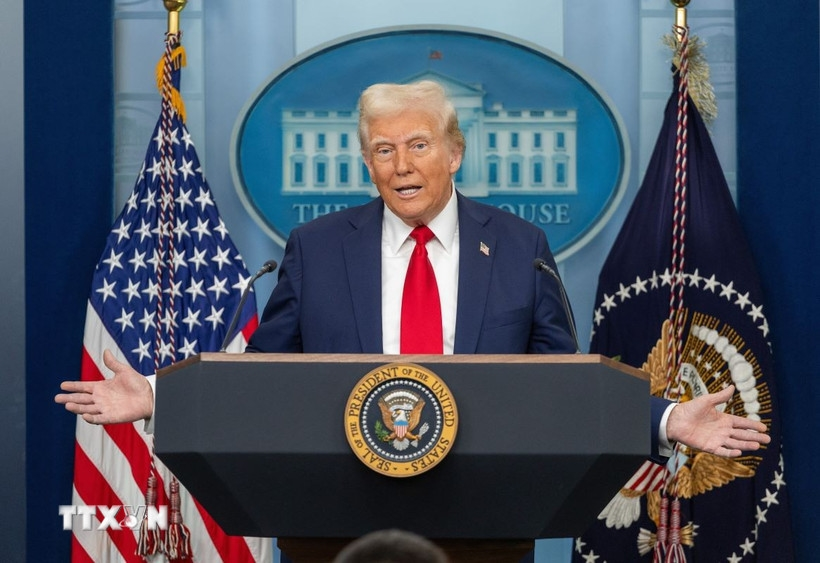
On September 8, 2025, the Trump administration urgently requested the U.S. Supreme Court to block a lower court’s order, allowing it to freeze nearly $5 billion in congressionally approved foreign aid. The move, part of President Trump’s effort to redirect federal spending, invokes a rare “pocket rescission” tactic, last used 50 years ago, to withhold funds without legislative approval. Solicitor General D. John Sauer argued that the district court’s injunction, issued by Judge Amir Ali, threatens separation of powers by forcing the administration to spend $4 billion against its foreign policy objectives before the fiscal year ends on September 30.
The legal battle began when Trump paused $30 billion in aid to review its alignment with U.S. interests, prompting lawsuits from aid organizations like the AIDS Vaccine Advocacy Coalition. Ali ruled the freeze illegal, citing the Impoundment Control Act, which requires congressional consent for rescissions. The D.C. Circuit upheld Ali’s decision, pushing Trump to seek Supreme Court relief. Critics, including Democratic lawmakers, warn the freeze could disrupt global humanitarian efforts, while supporters argue it prioritizes American taxpayers and national security.
The case tests Trump’s expansive view of executive power, with Sauer calling the injunction a “grave threat” to presidential authority. As the deadline looms, the Court’s ruling could reshape federal spending dynamics, with $10.5 billion at risk of expiring. The debate has polarized observers, highlighting tensions between congressional oversight and executive discretion in a high-stakes election year.