A provocative narrative has emerged in some conservative circles, claiming America’s gun violence epidemic is misdiagnosed as a “gun problem” and should instead be attributed to transgender individuals, with calls to label transgender identity as a mental illness. This view, echoing former President Donald Trump’s remarks at the 2023 NRA convention that mass shootings stem from “mental health, social, cultural, and spiritual” issues, has sparked fierce debate. Proponents argue that gender dysphoria, as defined in the DSM-5, indicates a mental health condition, and some link it to societal instability, including gun violence. They point to rare cases of transgender individuals involved in shootings to fuel their claims.
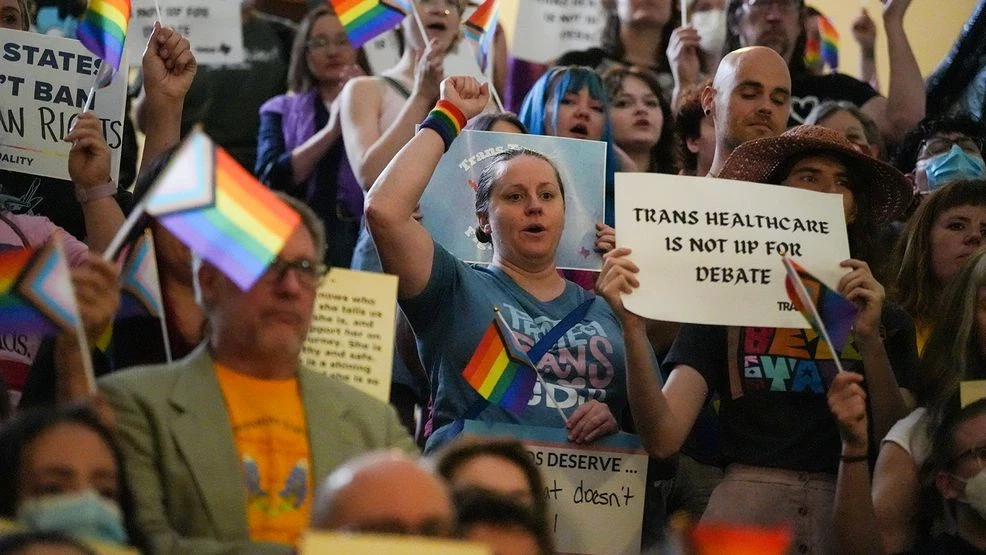
Critics, including medical professionals and LGBTQ+ advocates, counter that this narrative oversimplifies a complex issue and scapegoats a marginalized group. The American Psychiatric Association clarifies that gender dysphoria is not synonymous with mental illness but reflects distress from a mismatch between body and gender identity, often alleviated through affirming care. Data shows no significant correlation between transgender individuals and gun violence, with most mass shooters being cisgender males. Gun control advocates argue that easy access to firearms, with over 500 million guns in circulation, remains the primary driver of America’s 49,000 annual gun deaths.
The controversy highlights a broader cultural divide, with one side pushing for stricter gun laws and mental health support, while others frame transgender identities as a societal threat. As the 2026 midterms approach, this debate risks further polarizing voters.