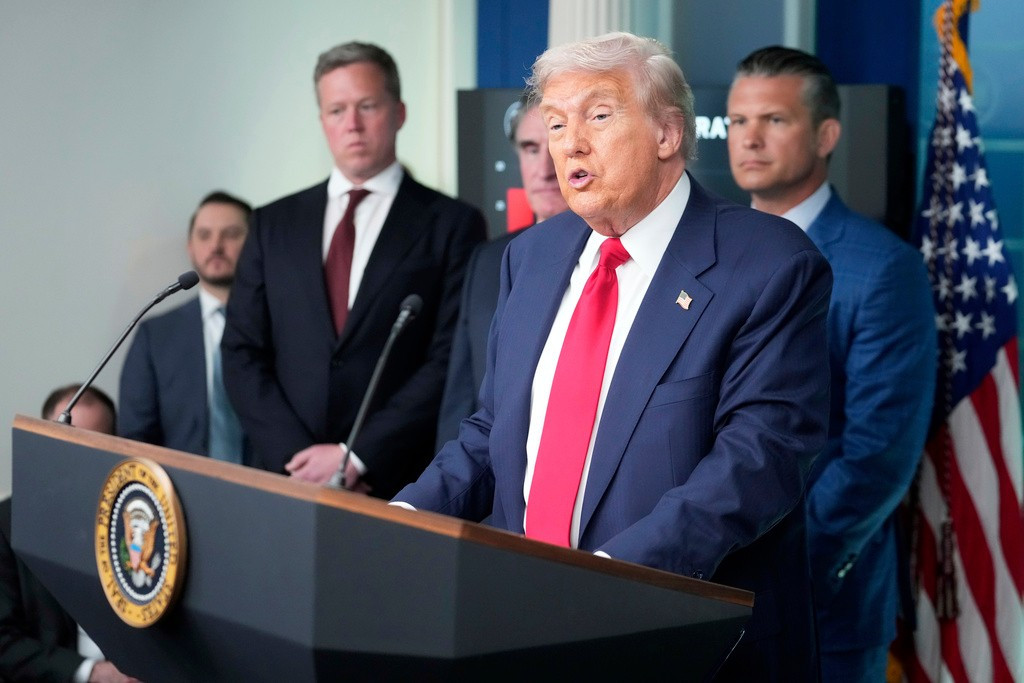
On August 11, 2025, President Donald Trump declared that anyone who “touches or even thinks about destroying” a statue or monument in Washington, D.C., will face a 10-year prison sentence. The statement, made during a press conference addressing crime in the capital, has ignited fierce debate over free speech and the extent of federal authority. Trump’s remarks come amid his broader push to federalize D.C.’s police and deploy the National Guard, citing a supposed crime crisis, despite data showing violent crime in D.C. has dropped to a 30-year low.
Critics argue the threat is a chilling overreach, potentially criminalizing thought and stifling protest. Civil liberties advocates warn that such a policy could disproportionately target activists, especially those opposing controversial monuments. The NAACP condemned Trump’s broader D.C. actions as a “federal coup,” accusing him of exaggerating crime to distract from other issues. Meanwhile, supporters praise the move as a defense of historical landmarks, pointing to past vandalism during protests.
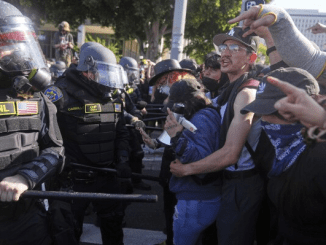
Legal experts question the enforceability of Trump’s statement, noting that “thinking” about a crime isn’t a prosecutable offense under current law. Others highlight the symbolic weight of the threat, aligning with Trump’s campaign promises to restore “law and order.” The statement has also raised concerns about escalating tensions in D.C., where protests erupted following Trump’s police federalization order.
As the nation grapples with these developments, questions linger about the balance between protecting public spaces and preserving free expression. Trump’s supporters see this as fulfilling their mandate, while detractors fear an erosion of democratic norms. The controversy underscores the polarized climate as the 2026 midterms approach.