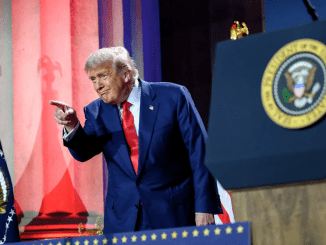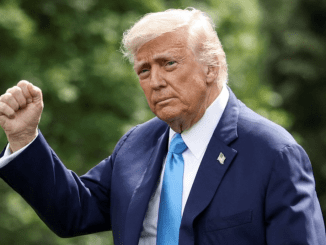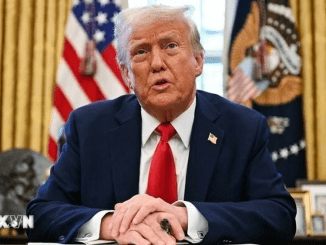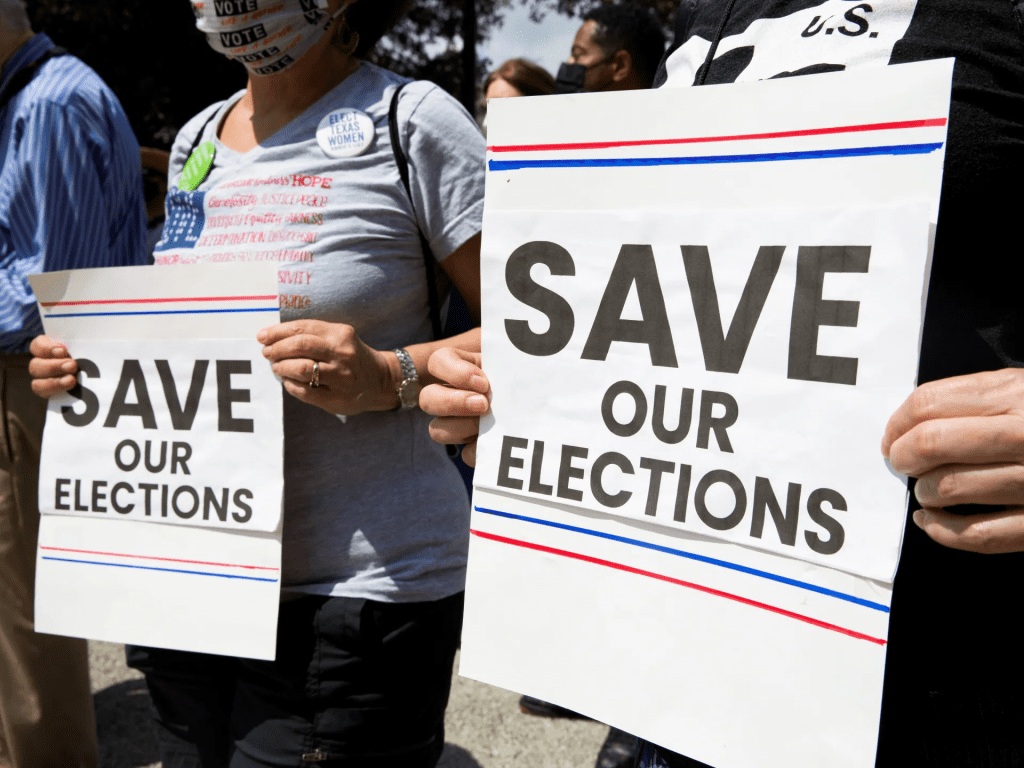
The push for voter ID laws in the United States has intensified, with supporters arguing they are essential to prevent election fraud, while critics claim they suppress legitimate voters. President Donald Trump and Vice President J.D. Vance have championed a national voter ID mandate, with Vance’s March 2025 proposal to make Election Day a holiday also requiring in-person voting and paper ballots. Proponents assert that requiring identification, like a driver’s license or state ID, ensures only eligible citizens vote, citing a 2024 Rasmussen Reports poll showing 80% public support. They point to Texas’ voter ID law, which contributed to a reported 3.1% mail-in ballot rejection rate in 2022, as evidence of curbing potential cheating.
Opponents, including Democratic Representative Jasmine Crockett, argue voter ID disproportionately affects minorities, the elderly, and low-income voters, with 11% of Americans lacking photo ID, per a 2024 Brennan Center study. They note fraud is rare—only 0.0003% of votes were flagged as fraudulent in 2014—and claim ID requirements create unnecessary barriers. Critics highlight states like California, where no ID is needed to vote, as evidence that accessibility ensures higher turnout without compromising integrity.
The debate has gained urgency amid the DOJ’s investigation into California’s voter rolls and Texas’ redistricting battles, with Republicans framing voter ID as a safeguard against non-citizen voting. As the 2026 midterms approach, the clash over voter ID underscores a broader struggle between securing elections and ensuring equitable access.