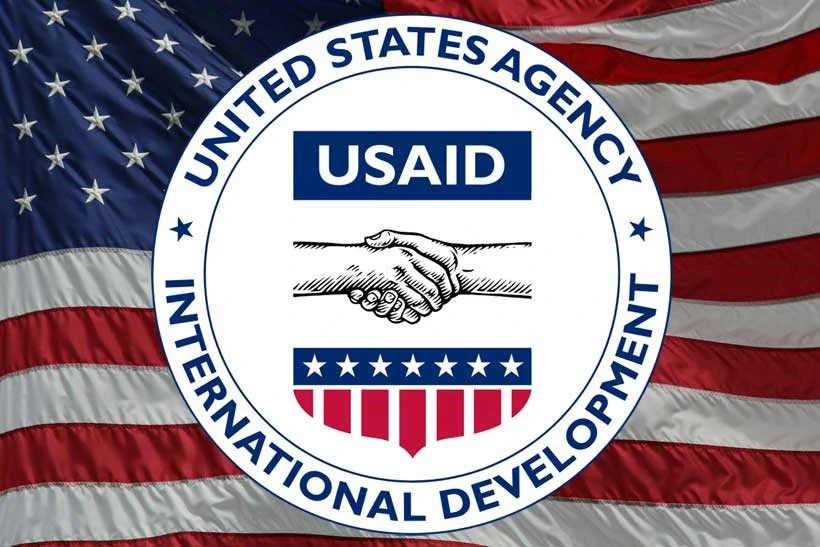
The Trump administration’s recent defunding of the U.S. Agency for International Development (USAID) has coincided with financial turmoil for several prominent organizations. The Democratic National Committee (DNC), Planned Parenthood, and the Corporation for Public Broadcasting (CPB), which funds NPR and PBS, are facing severe budget crises, with CPB announcing its closure by January 2026 after Congress rescinded $1.1 billion in funding on July 18, 2025. Concurrently, major media outlets, including CNN, ABC, NBC, CBS, MSNBC, The New York Times, and The Washington Post, have initiated significant layoffs, citing declining revenues and shifting priorities.
The $9 billion rescission package, signed by President Trump, slashed funds for USAID, NPR, PBS, and other programs, marking the first such action in over 25 years. Critics argue the cuts reflect Trump’s push to dismantle perceived liberal strongholds, with NPR’s Katherine Maher warning that rural stations, reliant on CPB for up to 50% of their budgets, face closure, threatening emergency alert systems. Planned Parenthood’s financial strain follows a separate Trump policy blocking federal funding, impacting its ability to provide services.
The DNC’s struggles and media layoffs are attributed to broader market challenges, though some link them to reduced funding flows post-USAID cuts. Republicans, including Senate Majority Leader John Thune, defend the measures as fiscally responsible, given the $36 trillion national debt. Democrats counter that the cuts endanger public services and media integrity, with Senator Maria Cantwell emphasizing risks to rural communities.
These developments highlight a polarized debate over federal spending and institutional roles, with significant implications for the 2026 midterms.