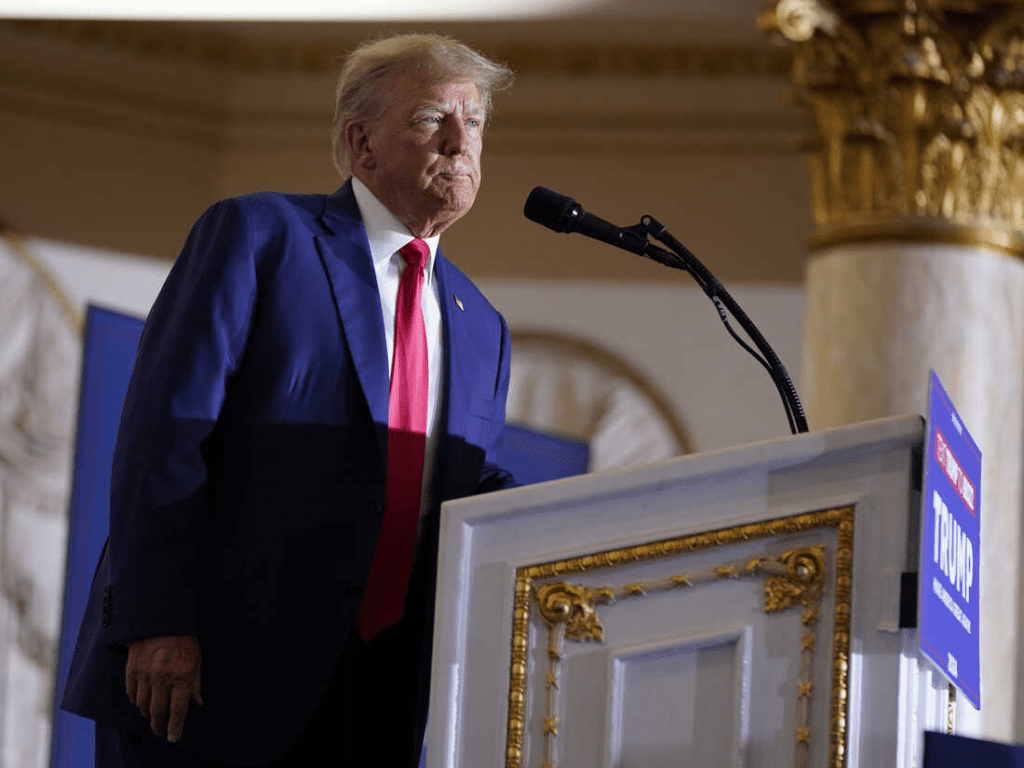
President Donald Trump’s call for a national voter ID law has reignited fierce debate over election integrity and accessibility, with supporters arguing that requiring identification is a simple safeguard for democracy. Vice President J.D. Vance’s March 2025 proposal to make Election Day a national holiday, mandating in-person voting, voter ID, and paper ballots, has amplified the conversation. Proponents, including Trump, assert that showing ID is a basic responsibility, comparing it to routine tasks like boarding a plane. A 2024 Rasmussen Reports poll shows 80% of Americans support voter ID requirements, viewing them as a way to prevent fraud.
Critics, including Democratic leaders, argue that voter ID laws disproportionately affect low-income, minority, and elderly voters, who may lack access to government-issued identification. Studies estimate 11% of Americans do not have a driver’s license or other photo ID, potentially facing barriers to voting. The Brennan Center for Justice highlights that voter fraud is exceedingly rare, with only 0.0003% of votes in a 2014 study flagged as fraudulent. Opponents warn that a national mandate could suppress turnout, particularly in Democratic-leaning communities.
Trump’s push follows a reported 95% drop in illegal border crossings, which he ties to broader efforts to secure elections. However, implementing a national voter ID law requires congressional approval, facing resistance in a divided Senate. States like Georgia and Texas already enforce strict ID rules, while others allow alternatives like utility bills. The debate underscores tensions between ensuring voter access and protecting electoral integrity, with significant implications for the 2026 midterms.