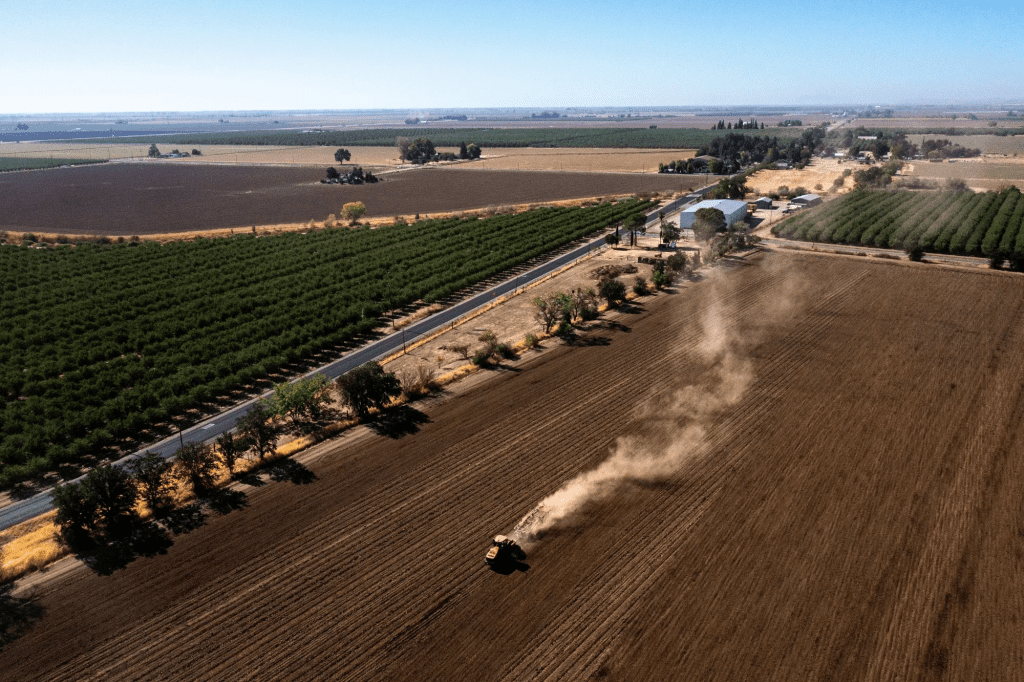
American farmers are sounding the alarm as foreign entities and billionaires, including Chinese investors and Bill Gates, rapidly acquire U.S. farmland, sparking fears of lost agricultural sovereignty. Gates, the nation’s largest private farmland owner, holds nearly 270,000 acres across 19 states, while Chinese investors own approximately 384,000 acres, outpacing 17 other countries. Critics argue these purchases threaten local farmers’ ability to compete, as rising land prices driven by deep-pocketed buyers make it harder for small operations to survive.
Gates’ acquisitions, managed through Cascade Investment, focus on boosting productivity and sustainable farming, with investments in plant-based protein companies like Beyond Meat. However, skeptics question whether his motives align with broader climate or corporate agendas, noting his farmland sits atop vital water sources. Chinese ownership, meanwhile, has raised national security concerns, particularly after the Fufeng Group’s attempt to build a cornmill near a North Dakota Air Force base was blocked in 2023. Lawmakers, including Representative Mary Miller, have introduced bills like the Protecting Our Farms and Homes from China Act to curb foreign purchases.
Small farmers, like John Boyd of the National Black Farmers Association, urge Americans to support local agriculture to preserve food security. They warn that concentrated ownership could prioritize profits over sustainable practices, threatening rural communities. While Gates denies monopolistic intent, emphasizing job creation, critics argue his scale of ownership overshadows traditional farmers.
The debate has ignited calls for federal action to protect American farmland, with bipartisan support growing to limit foreign and billionaire influence. As land becomes a battleground for economic and security concerns, the future of U.S. agriculture hangs in the balance.