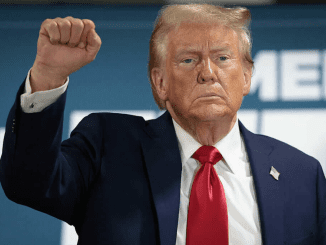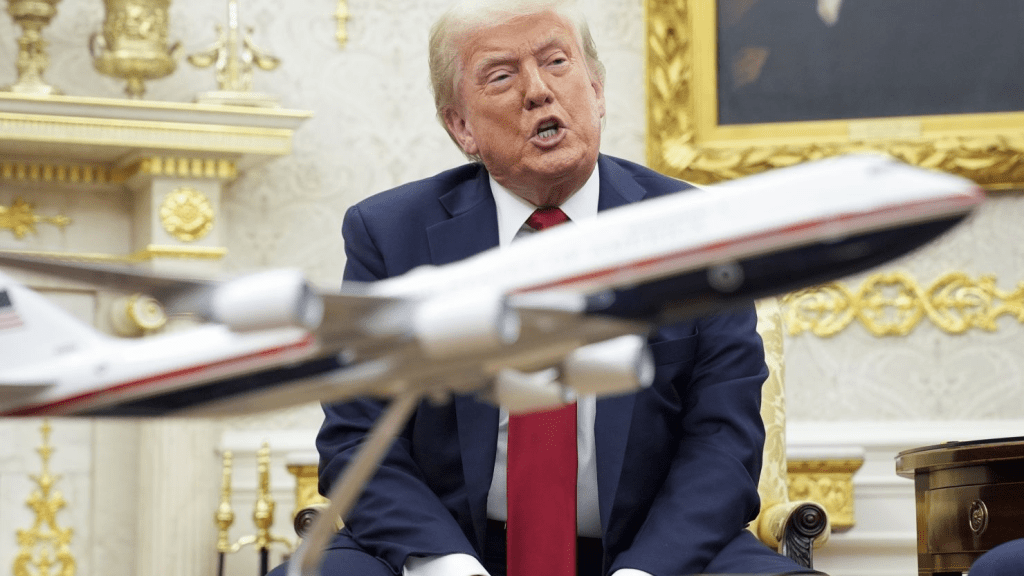
President Donald Trump has reignited controversy by labeling the Russia collusion narrative from the 2016 election the “biggest scandal in American history.” In a recent statement, Trump claimed the allegations of his campaign’s ties to Russia were a fabricated “hoax,” asserting that newly declassified documents provide indisputable evidence. He called for severe consequences for those responsible, vowing such an event must never recur.
The remarks follow a report from Director of National Intelligence Tulsi Gabbard, who alleged that Obama-era officials, including former President Barack Obama, orchestrated a “treasonous conspiracy” to undermine Trump’s 2016 victory by promoting false intelligence. Gabbard’s claims, supported by partially declassified memos, suggest the Steele dossier and other intelligence were manipulated to damage Trump’s campaign. Trump’s supporters argue this validates his long-standing narrative of a “deep state” plot.
Democrats and intelligence experts have dismissed these accusations as politically motivated distortions. Representative Jim Himes, a senior Democrat on the House Intelligence Committee, called Gabbard’s report “baseless,” noting that multiple reviews, including a Republican-led Senate investigation, confirmed Russia’s interference to aid Trump. Critics argue the report conflates Russia’s hacking attempts with influence operations, misrepresenting established findings.
The renewed focus on the Russia probe, long derided by Trump as a “witch hunt,” coincides with his administration’s push to declassify Epstein-related files, redirecting attention to past controversies. As legal and political battles loom, Trump’s demand for accountability underscores deep divisions over the 2016 election’s legacy.