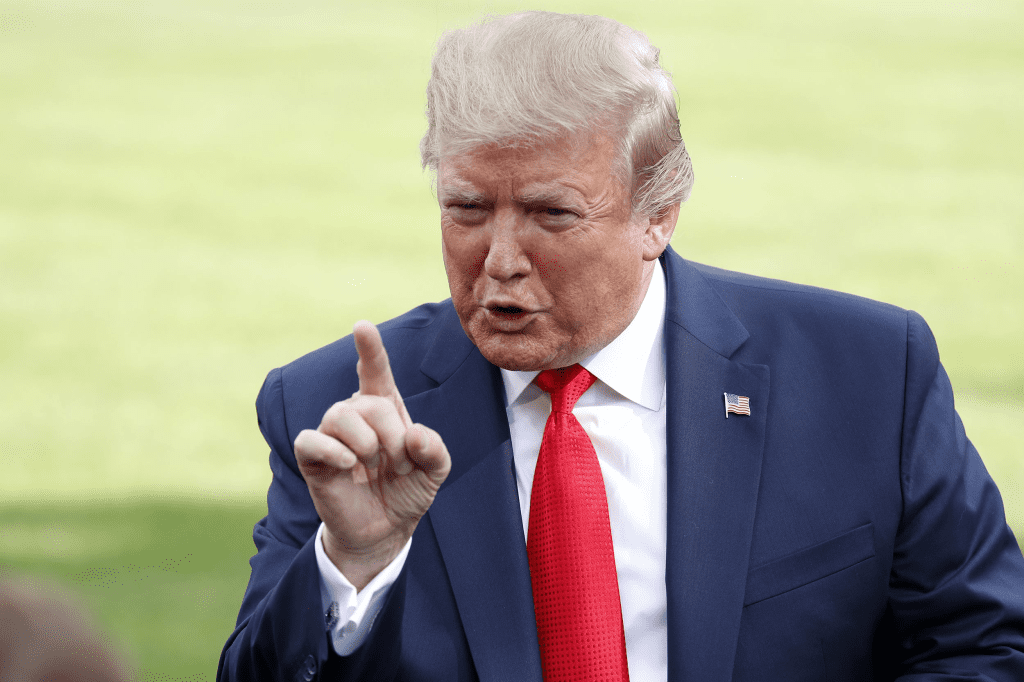
President Donald Trump announced a remarkable 36% increase in U.S. auto production alongside a 30% decline in vehicle imports, crediting his administration’s trade policies for revitalizing American manufacturing. Speaking at a Michigan rally, Trump hailed the figures as proof that his tariffs, including a 25% levy on imported cars and parts, have bolstered the domestic auto industry. The proclamation, enacted in March 2025, aimed to reduce reliance on foreign vehicles and strengthen national security by incentivizing U.S. production.
The surge follows Trump’s tariff strategy, which offers relief for manufacturers assembling vehicles domestically, with offsets of 3.75% of the Manufacturer’s Suggested Retail Price for U.S.-produced vehicles through April 2026. Data from 2024 showed Americans purchased 16 million vehicles, with imports comprising half, and domestic vehicles containing only 25% U.S.-made parts. The new figures suggest a shift, with automakers like Ford and General Motors reportedly expanding U.S. facilities.
Critics, including foreign automakers and some economists, warn that tariffs could raise consumer prices and strain global supply chains, citing a potential 30% hit to German car exports. However, the United Auto Workers union praised the policy, noting increased shifts at U.S. plants. The trade deficit in auto parts, which reached $93.5 billion in 2024, is also showing signs of narrowing.
The announcement underscores Trump’s “America First” agenda, though its long-term impact on prices and jobs remains debated. As the administration pushes for further domestic investment, the auto industry’s resurgence could reshape the economic landscape.