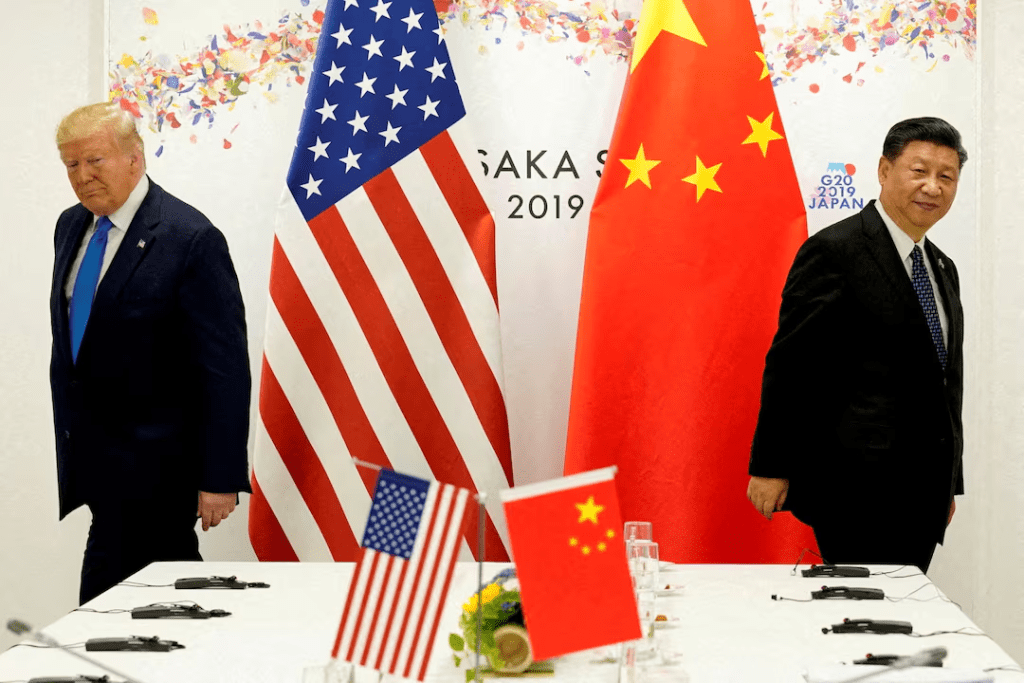
On July 28, 2025, President Donald Trump secured a significant breakthrough in U.S.-China trade negotiations, as Beijing signaled concessions in response to his aggressive tariff strategy. Following months of tense talks, Chinese officials agreed to accelerate rare earth exports and reduce tariffs on U.S. goods from 125% to 10%, a move seen as a retreat from earlier defiance. The deal, cemented after a June 5 call between Trump and President Xi Jinping, includes $750 billion in U.S. energy purchases and zero tariffs on American products, bolstering Trump’s “America First” agenda.
Trump’s 54% tariff hike on Chinese imports, coupled with ending the $800 de minimis exemption for low-value parcels, pressured Beijing’s export-driven economy. U.S. Treasury Secretary Scott Bessent called it a “de-escalation,” with markets responding positively—the S&P 500 rose 0.68%. The agreement follows Trump’s July 27 EU trade deal, showcasing his dealmaking prowess. Analysts suggest China’s softened stance aims to stabilize its economy, which faced disruptions from Trump’s policies, including a 26% drop in freight bookings.
Critics, including Senator Elizabeth Warren, warn the deal prioritizes short-term gains over long-term strategy, potentially empowering Beijing’s global influence. Democrats argue Trump’s erratic approach, like reversing Nvidia’s AI chip export ban, risks U.S. technological dominance. A July Pew survey shows 24% global approval for Xi, slightly above Trump’s 22%, highlighting the geopolitical stakes.
Trump’s planned Beijing visit, confirmed after Xi’s invitation, underscores his hands-on diplomacy. Supporters see this as proof of his ability to bend adversaries to America’s will, while detractors fear it compromises national security. As trade tensions ease, the deal marks a pivotal moment for Trump’s second term.