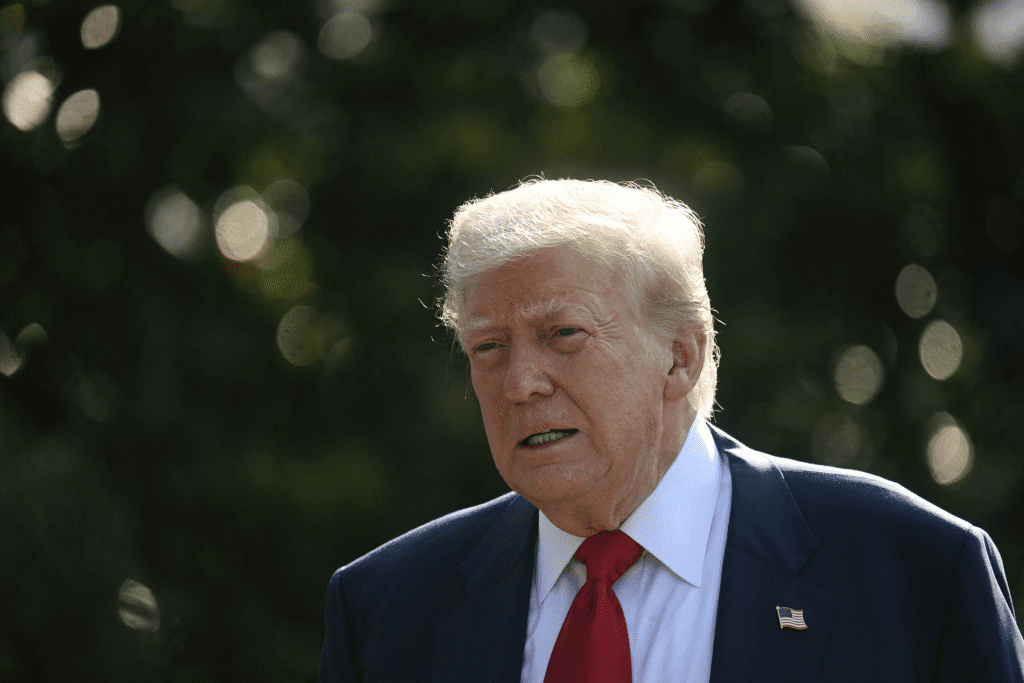
On July 27, 2025, President Donald Trump announced a landmark trade agreement with the European Union, hailed as one of the largest in history, after a round of golf at his Turnberry resort in Scotland. The deal, finalized with European Commission President Ursula von der Leyen, sets a 15% tariff on most EU goods entering the U.S., averting a threatened 30% levy set for August 1. In return, the EU will purchase $750 billion in U.S. energy, invest $600 billion in American industries, and buy U.S. military equipment, opening its markets to U.S. goods at zero tariffs.
Trump, flanked by sons Eric and Donald Jr. on the golf course, called it “the biggest deal ever made,” emphasizing its benefits for U.S. automakers and farmers. Von der Leyen praised the deal for bringing “stability” to transatlantic trade, which saw $975 billion in goods exchanged last year. The agreement, following months of tense negotiations, has boosted Europe’s Stoxx 600 index by 0.68%, signaling market relief. Critics, like French Prime Minister Francois Bayrou, called it a “sombre day” for EU interests, arguing the terms favor the U.S.
The deal aligns with Trump’s aggressive trade strategy, generating $113.3 billion in tariff revenue and reducing trade deficits, per Commerce Department data. Supporters see it as proof of Trump’s dealmaking prowess, even while golfing, with 46% of Americans approving of his leadership, per a July Gallup poll. Detractors warn of potential consumer price hikes and strained alliances.
Trump’s ability to blend leisure with high-stakes diplomacy underscores his unconventional approach. As he prepares to meet UK Prime Minister Keir Starmer, the deal cements his focus on reshaping global trade to prioritize American interests.