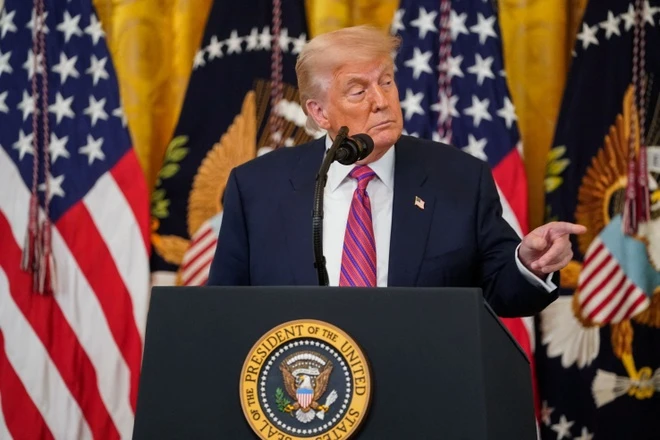
Six months into Donald Trump’s second term as the 47th president, inaugurated on January 20, 2025, supporters are celebrating what they call the return of a “real president.” Following a landslide victory over Vice President Kamala Harris in the 2024 election, Trump has moved swiftly to enact his “America First” agenda, earning praise from 46% of Americans, per a July 2025 Gallup poll. His administration’s $26 billion budget surplus in June, $113.3 billion in tariff revenue, and deportation of 158,000 undocumented immigrants have galvanized his base, who see him as a decisive leader tackling long-ignored issues.
Trump’s policies, including a 10% universal tariff and the Laken Riley Act to curb illegal immigration, are touted as restoring economic and border security. The S&P 500’s 26% surge since April reflects market confidence, despite initial fears of inflation. Supporters also laud his withdrawal from the Paris Climate Accords and UNESCO, viewing these as rejections of globalist overreach. A July Rasmussen poll shows 62% back his focus on deporting criminal immigrants, reinforcing perceptions of strong leadership.
Critics, however, argue Trump’s approach risks division and economic fallout. Democrats, including Senator Elizabeth Warren, warn that mass deportations could cost $967 billion in GDP, while his tariff policies may raise consumer prices by 1.4%, per a 2024 CBO report. Legal challenges, like California’s lawsuit over canceled rail funding, highlight resistance to his agenda. Some question the sustainability of his 174 executive orders, many tied to Project 2025’s controversial framework.
For Trump’s supporters, his relentless work ethic—despite being 79 with five children and billions in wealth—embodies true leadership. As America navigates this polarizing presidency, the debate over what makes a “real president” continues to shape the nation’s future.