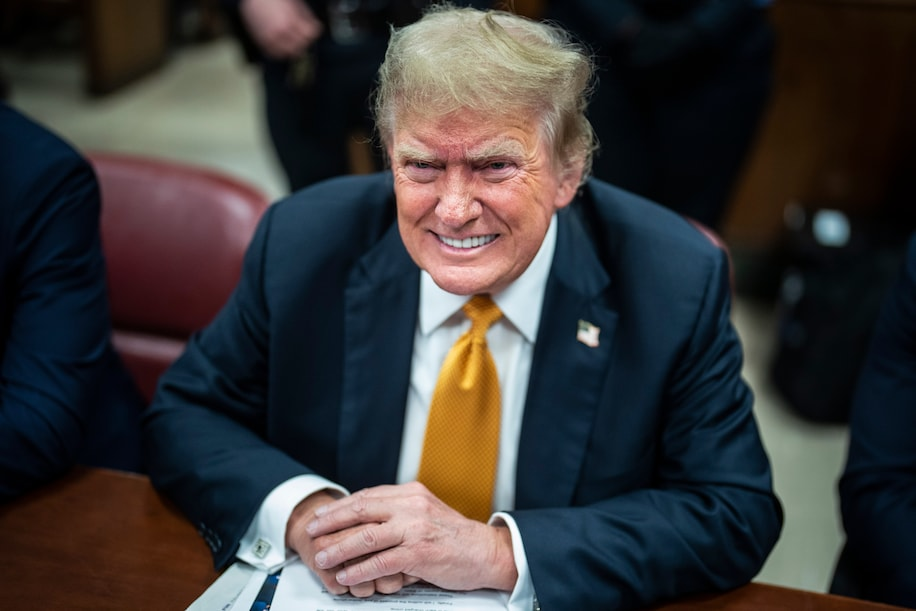
On July 22, 2025, President Donald Trump announced a $36 million settlement with CBS and its parent company, Paramount Global, over a lawsuit alleging deceptive editing of a 2024 60 Minutes interview with then-Vice President Kamala Harris. The settlement includes a $16 million payment for Trump’s legal fees and his future presidential library, plus an anticipated $20 million in advertising or public service announcements from CBS’s new owners, Skydance Media, though Paramount denies any such additional deal. The lawsuit, filed in Texas, claimed CBS aired two versions of Harris’s response to a question about the Israel-Hamas war, allegedly to bolster her image and sway the 2024 election.
Trump hailed the settlement as a “historic win” against “fake news,” accusing CBS of election interference. Paramount, while settling, maintained the lawsuit was “without merit” and offered no apology, agreeing only to release future presidential candidate interview transcripts with redactions for legal or security reasons. The decision sparked outrage among journalists, with 60 Minutes producer Rome Hartman calling it a “cowardly capitulation” that undermines press freedom. Legal experts, like Harvard’s Noah Feldman, labeled the suit frivolous, arguing CBS’s edits were standard journalistic practice protected by the First Amendment.
The settlement coincides with Paramount’s $8.4 billion merger with Skydance, pending FCC approval under Trump-appointed chair Brendan Carr. Critics, including Sens. Elizabeth Warren and Bernie Sanders, warn the payout resembles bribery to secure merger approval, prompting threats of shareholder lawsuits from the Freedom of the Press Foundation. As Trump targets other media outlets, the question looms: does this settlement embolden further legal challenges to press freedom, or is it a one-off corporate compromise?