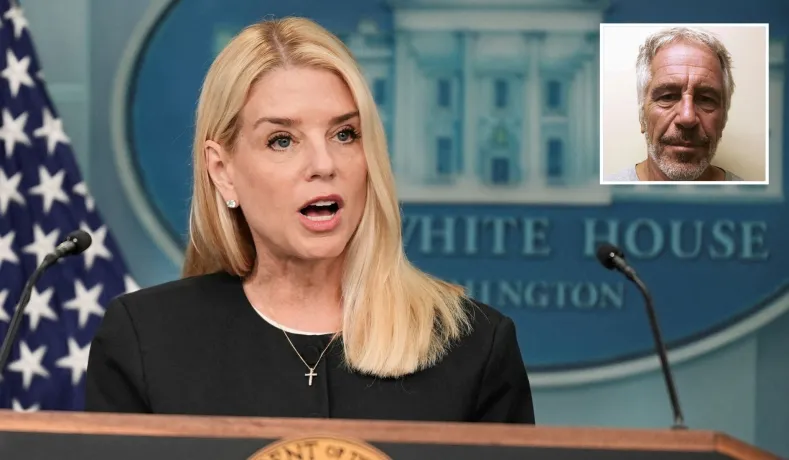
On July 23, 2025, U.S. District Judge Robin Rosenberg, an Obama appointee, denied the Department of Justice’s request to unseal grand jury transcripts from the 2005 and 2007 Jeffrey Epstein investigations in Florida. In a 12-page ruling, Rosenberg stated her “hands are tied” by 11th Circuit precedent, which strictly limits disclosure of grand jury materials to narrow exceptions, none of which the DOJ met. The decision marks a setback for Attorney General Pam Bondi’s efforts to release Epstein-related records amid pressure from President Trump’s base for transparency.
The DOJ argued that “extensive public interest” justified unsealing the transcripts, despite acknowledging legal constraints. Rosenberg rejected this, noting the request wasn’t tied to an ongoing judicial proceeding. She also denied transferring the case to New York, where two judges are reviewing similar DOJ requests for Epstein and Ghislaine Maxwell’s 2019-2020 probes, which face fewer secrecy restrictions. Those rulings are expected after August 5, 2025, following input from victims and Maxwell’s legal team.
The ruling has fueled speculation among Trump supporters, who argue it proves Trump’s absence from Epstein’s alleged “client list,” a claim the DOJ debunked in a July 6 memo, stating no such list exists. Trump’s past association with Epstein, including a 2003 letter reported by The Wall Street Journal, has drawn scrutiny, though Trump denies wrongdoing and has sued the outlet for defamation. Critics, including Democrats, suggest the DOJ’s push is a political maneuver to appease MAGA voters amid backlash over Epstein file handling.
As New York courts weigh unsealing requests, Rosenberg’s decision underscores the legal barriers to disclosing grand jury materials, leaving unresolved questions about Epstein’s investigations and intensifying public debate over transparency and accountability.