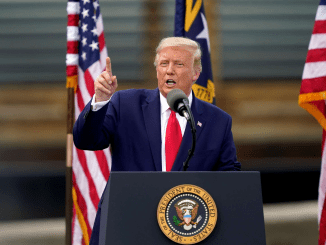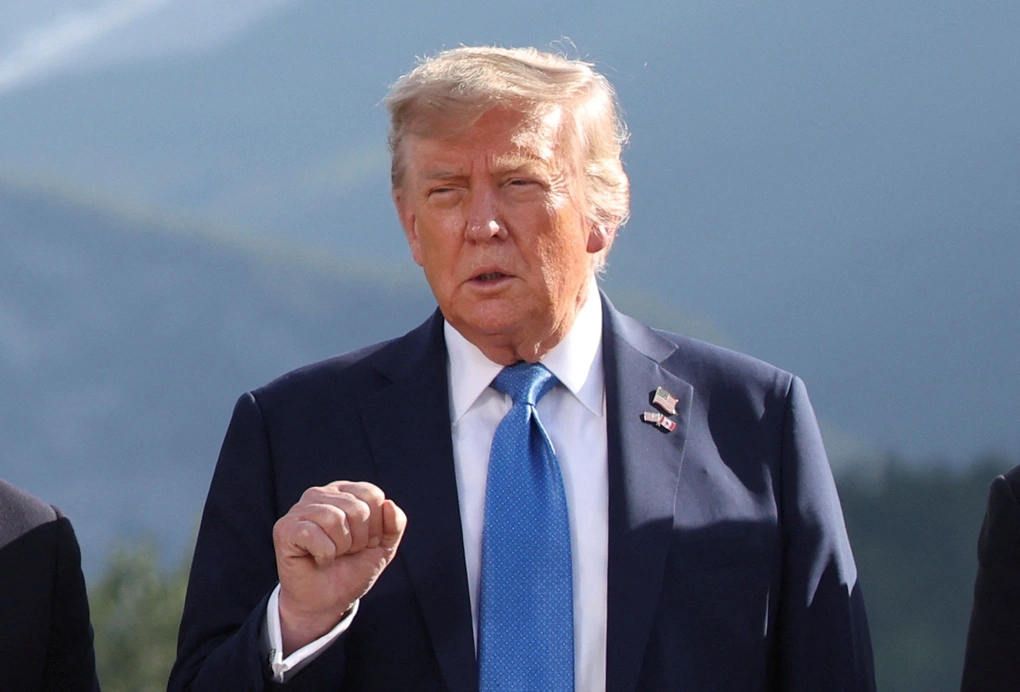
On July 15, 2025, President Donald Trump announced a robust initiative to prohibit Communist China from purchasing U.S. farmland, with a particular focus on areas near military installations. Speaking at a rally in Iowa, Trump emphasized national security, declaring, “We cannot let China control our food supply or spy on our bases.” The proposed executive action, backed by the Agricultural Foreign Investment Disclosure (AFIDA) Improvements Act, aims to block Chinese entities from acquiring agricultural land, citing risks of espionage and food security threats.
The push follows reports that Chinese-owned entities hold over 350,000 acres of U.S. farmland, including plots near Air Force bases in North Dakota and Texas. The Department of Agriculture, under Secretary Tom Vilsack, is tightening oversight, with new rules requiring detailed reporting of foreign land purchases. Republican lawmakers, including Senator Pete Ricketts, and unexpected ally Senator John Fetterman (D-Pa.), support the ban, arguing it protects critical infrastructure. A 2023 Pentagon report flagged 19 Chinese-owned sites near military facilities as potential surveillance risks.
Critics, including the U.S.-China Business Council, warn that blanket bans could disrupt agricultural trade and violate free market principles. China’s embassy called the move “discriminatory,” pointing to its own restrictions on foreign land ownership. Democrats like Senator Tammy Baldwin argue for targeted restrictions to avoid alienating allies or harming farmers reliant on Chinese markets.
Trump’s plan aligns with his broader “America First” agenda, resonating with voters wary of foreign influence. With 37 states already limiting foreign land ownership, the federal push could set a precedent. As tensions with China escalate, the debate over farmland ownership highlights the delicate balance between security and economic interdependence.