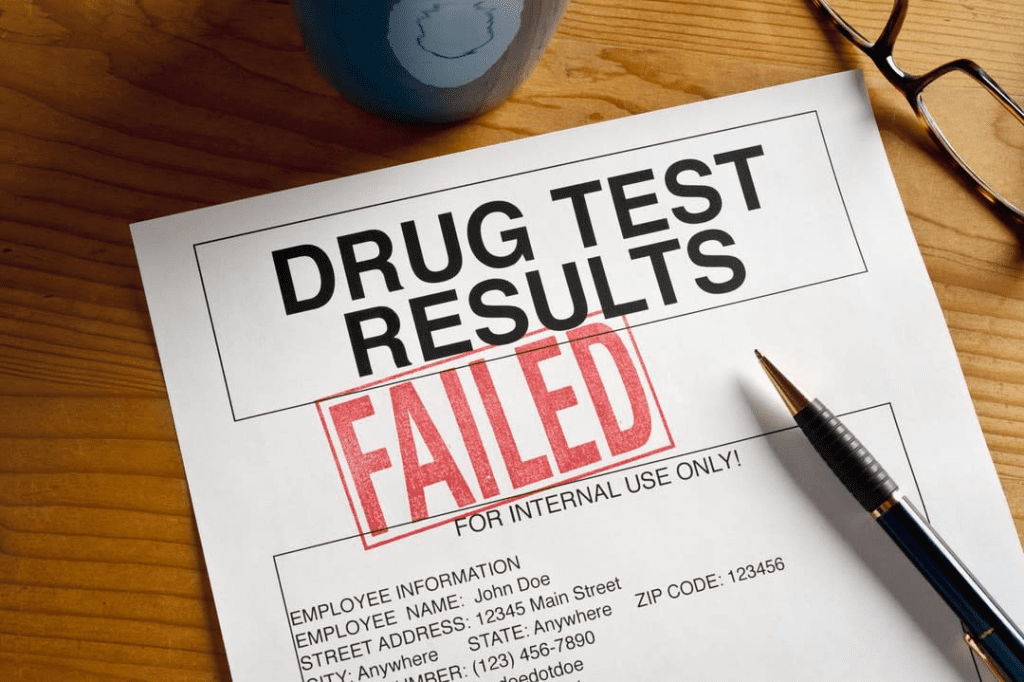
A renewed push to require drug testing for welfare recipients has sparked intense debate across the U.S., with proponents arguing it ensures fairness in public assistance programs. The sentiment, often framed as “if I’m drug-tested for my job, welfare recipients should be too,” has gained traction in conservative circles, particularly under President Trump’s administration. States like Florida and Missouri have revisited policies requiring tests for programs like Temporary Assistance for Needy Families (TANF), citing accountability for taxpayer funds.
Supporters, including Republican lawmakers, argue that drug testing aligns welfare with workplace standards, deterring substance abuse and ensuring aid supports families, not addiction. Florida’s 2025 pilot program, revived from a 2011 law struck down as unconstitutional, tests TANF applicants, with 2% failing so far. Proponents point to data showing 8% of welfare recipients report recent drug use, per a 2023 National Institute on Drug Abuse study, though critics counter this is lower than the general population’s 12%.
Opponents, including the ACLU and Democratic leaders, argue testing violates privacy and unfairly targets the poor. They cite high costs—Florida spent $1.2 million on tests yielding few positives—and note that such policies deter eligible families from applying, with TANF enrollment dropping 15% in tested states. Critics also highlight racial disparities, as Black and Latino recipients face disproportionate scrutiny. A 2021 federal court ruling emphasized that blanket testing without evidence of drug use infringes on Fourth Amendment rights.
The debate reflects broader tensions over welfare reform, with 37 states considering similar bills in 2025. As Trump pushes for fiscal efficiency, the question remains: does testing ensure fairness or punish vulnerability? The answer could reshape public assistance for millions.