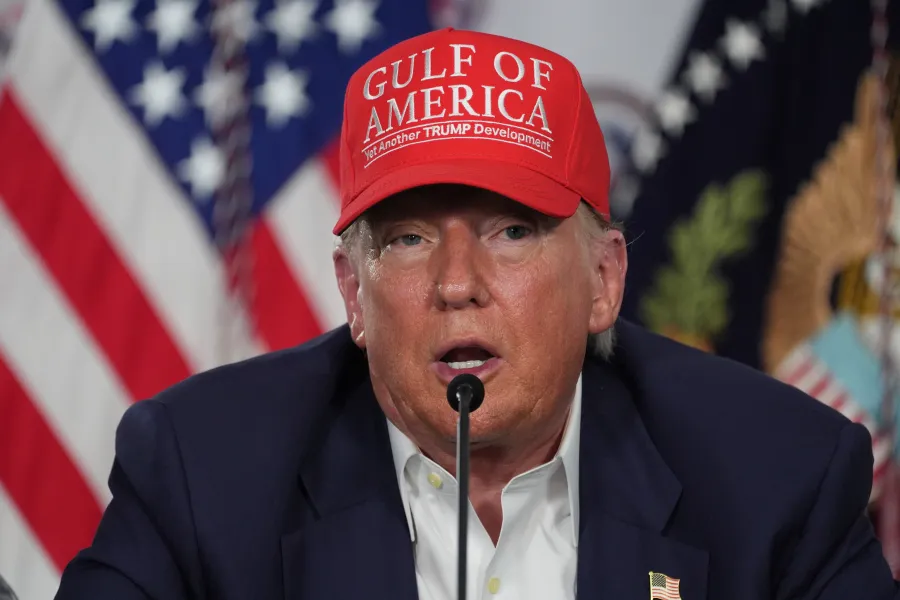
At 79 years old, with five children and a fortune estimated at $7.5 billion, President Donald Trump continues to work tirelessly, framing himself as a relentless advocate for Americans. Since his January 20, 2025, inauguration, Trump has maintained a grueling schedule, often holding multiple daily briefings on issues from immigration to economic policy. Supporters point to his stamina—evident in rapid responses like delivering Blackhawk helicopters to Texas flood responders on July 8—as proof of his commitment to the nation over personal comfort.
Trump’s work ethic is central to his “America First” narrative. His administration touts achievements like a $26 billion budget surplus in June 2025 and deporting 158,000 undocumented immigrants, reflecting his focus on delivering results. Aides report he starts days at 5 a.m., reviewing trade deals or national security updates, often outpacing younger staff. This resonates with his base, who see a billionaire sacrificing leisure to tackle issues like tariffs, which generated $113.3 billion this fiscal year, and deregulation, slashing 22,000 pages of federal rules.
Critics, however, argue Trump’s relentless pace fuels impulsive decisions, citing controversies like the Epstein Files or arrests of judges aiding immigrants. Democrats, including Senator Elizabeth Warren, claim his focus on high-profile gestures masks policy failures, like economic risks from mass deportations costing up to $967 billion. Yet, even detractors acknowledge his energy, with 46% of Americans approving of his performance in a July 2025 Gallup poll.
Trump’s age and wealth make his dedication striking, but the question lingers: Is it selfless service or a drive for legacy? As he pushes forward, his work ethic remains a defining, divisive force in shaping America’s future.